Integrated water mist protection for a listed historic building in the heart of Paris.
Protecting a historic and cultural landmark requires an intervention where fire safety, architectural conservation, and heritage preservation must coexist without compromising the site’s identity.
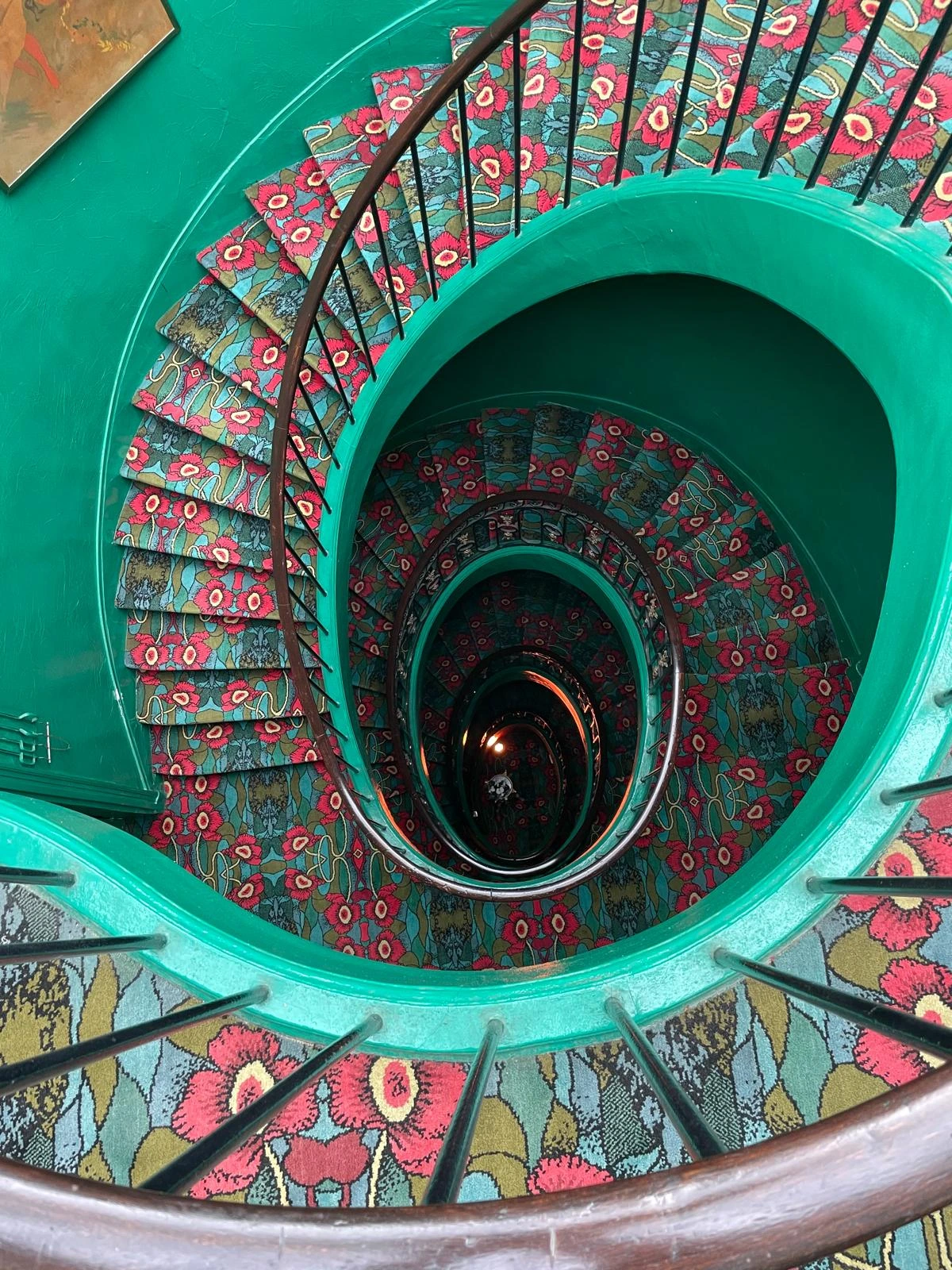
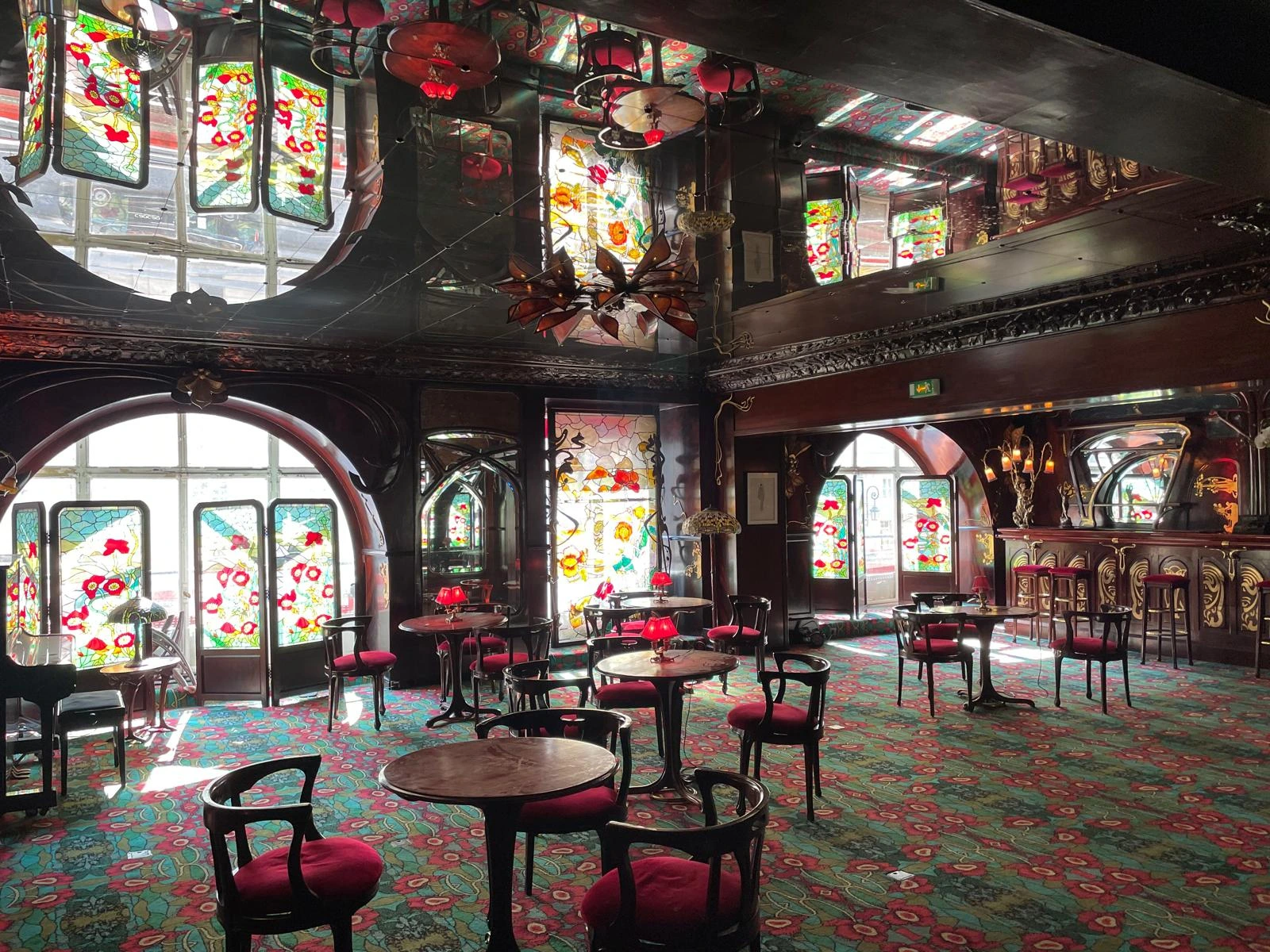
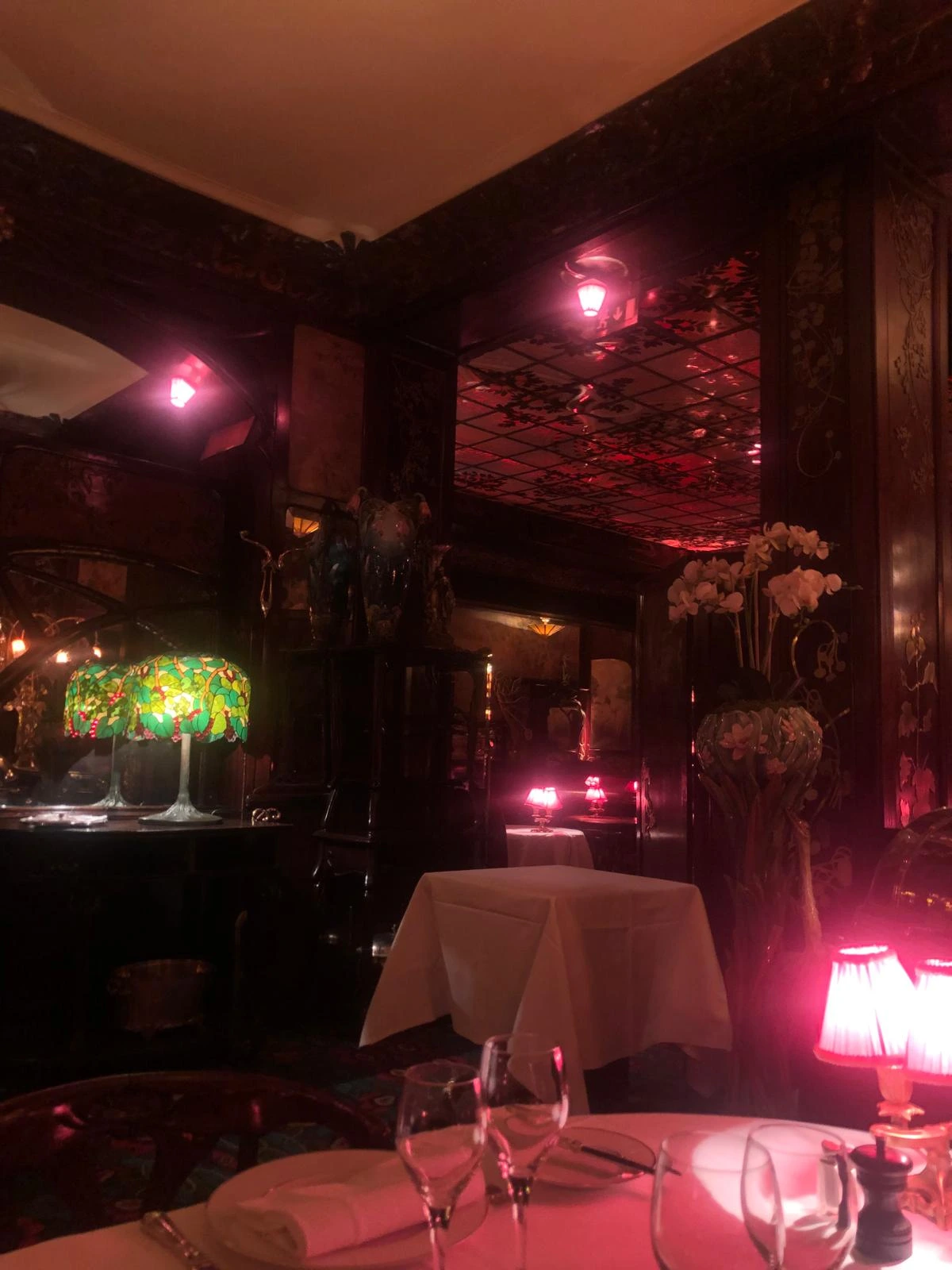
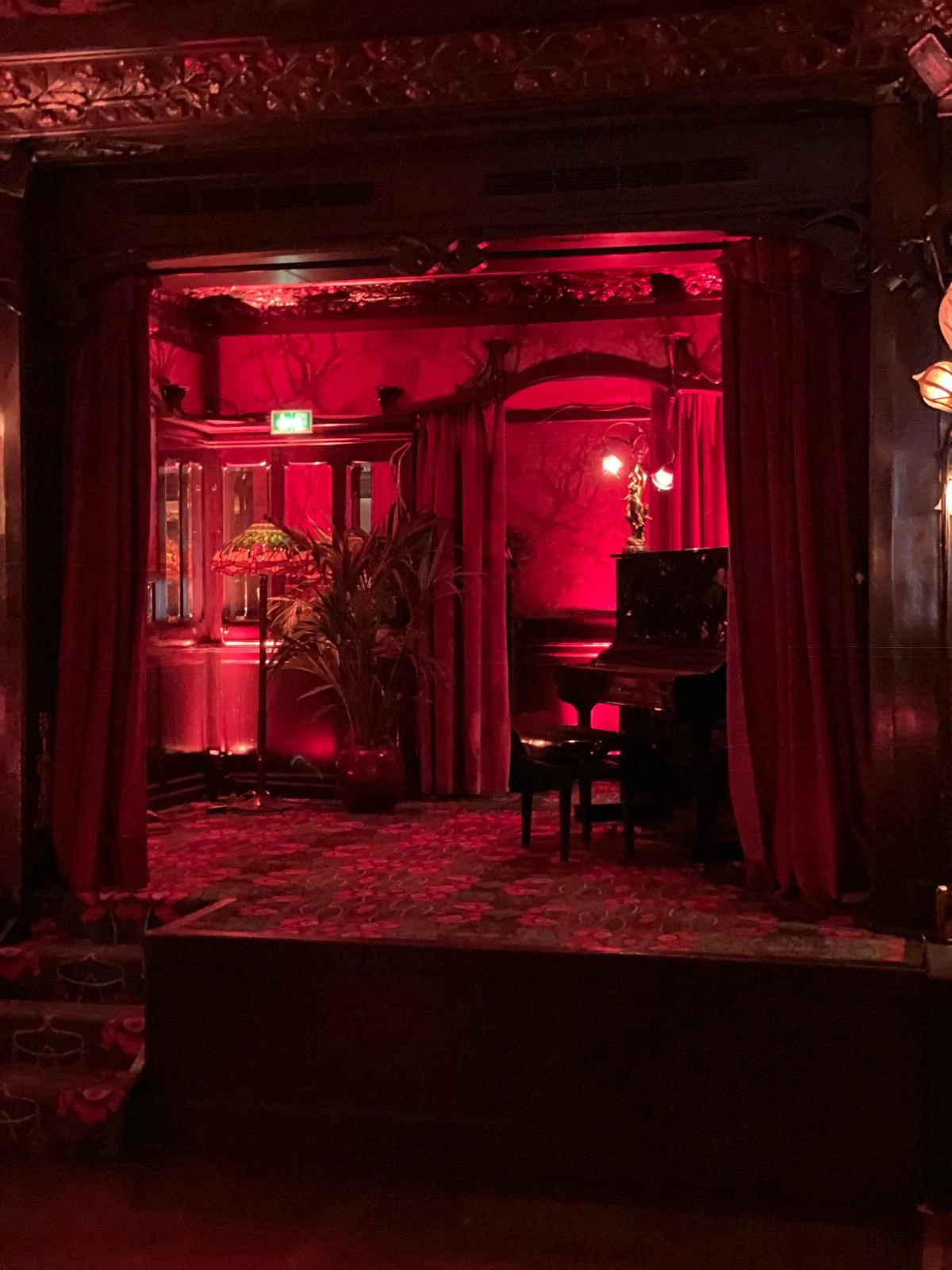
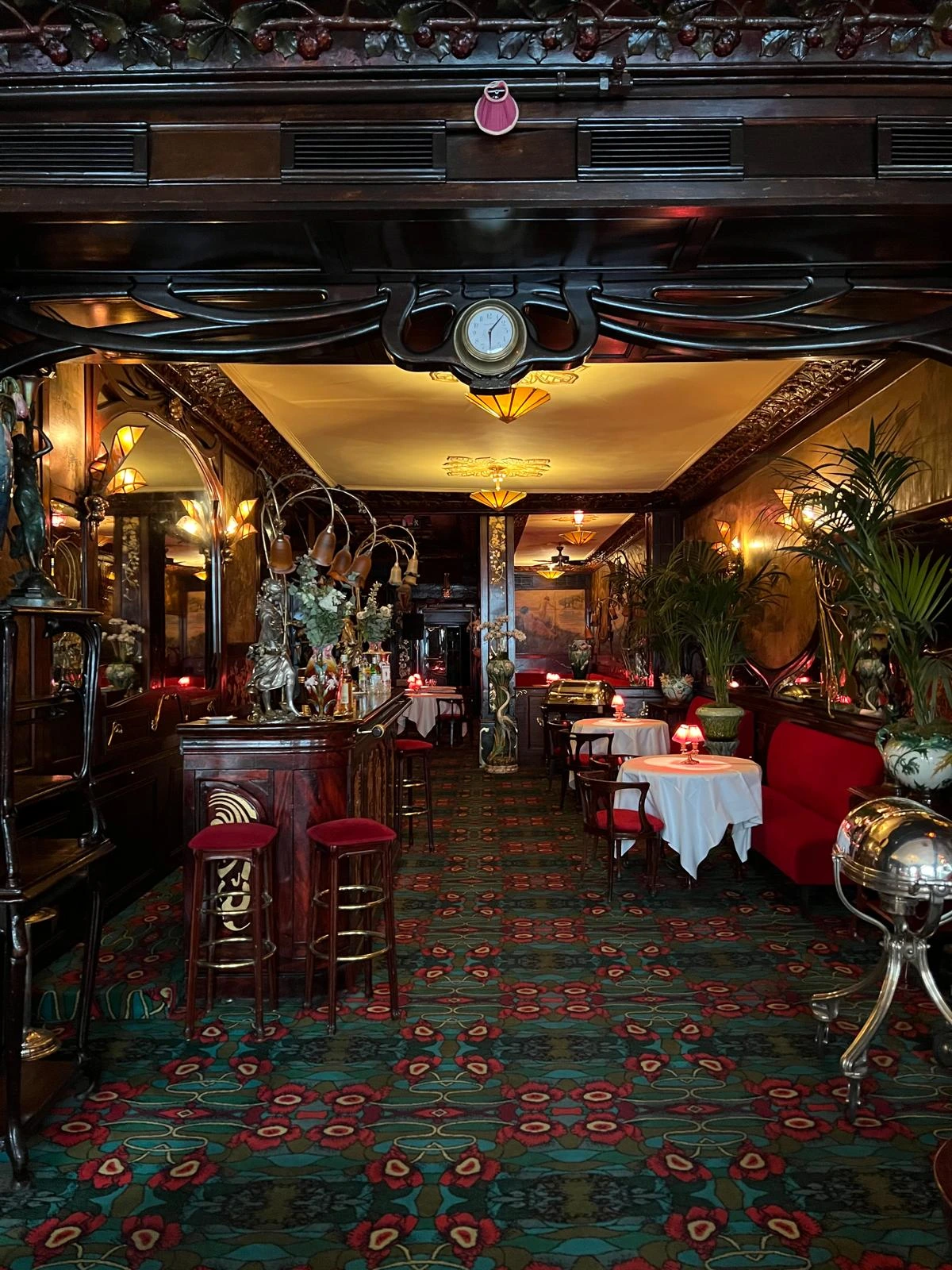
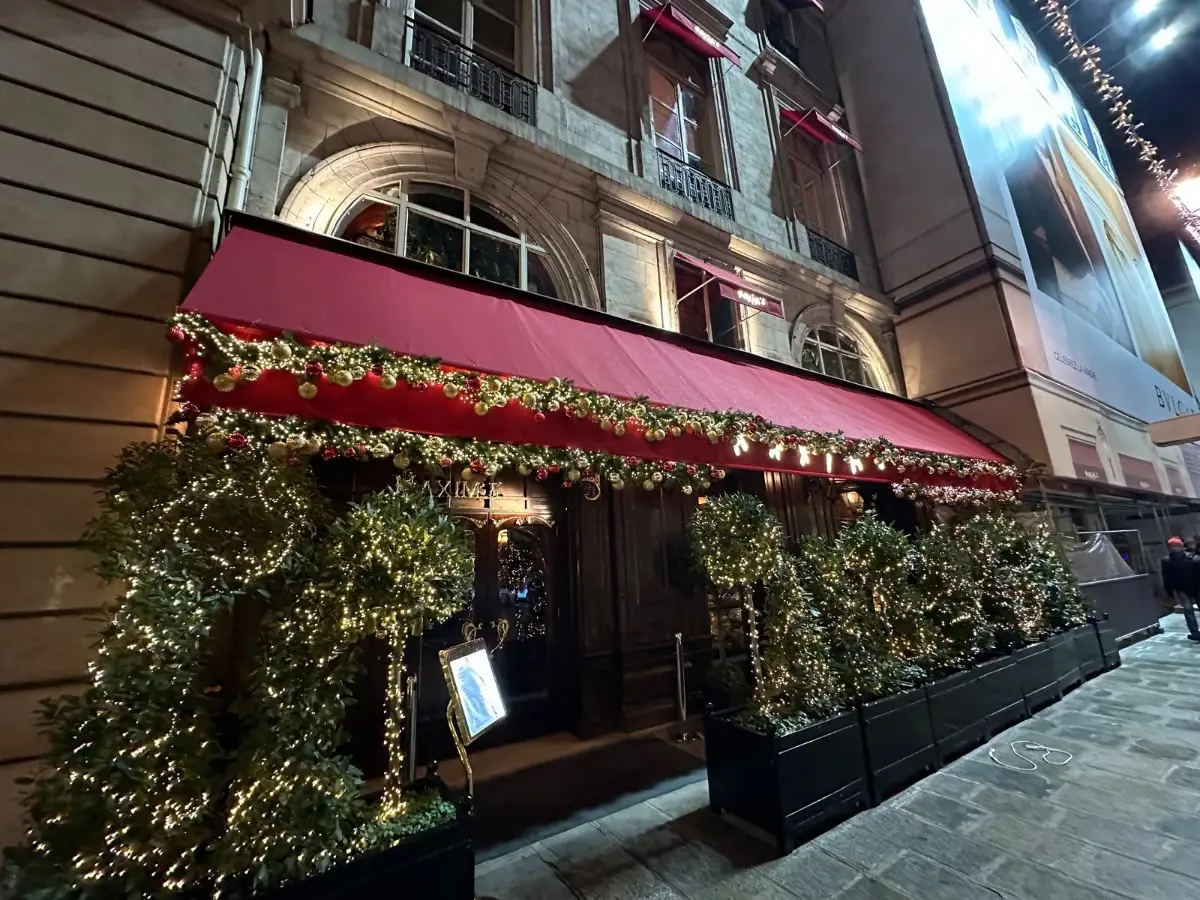
Founded in 1893 on Rue Royale, Maxim’s de Paris is one of the most recognizable landmarks in the French capital. Its Art Nouveau interiors house frescoes, stained glass, original mirrors, fine woodwork, and ornate bronze and copper detailing elements that demand a meticulously crafted engineering approach. Acquired by Pierre Cardin in 1981, the restaurant gained international acclaim.
Stepping into Maxim’s means stepping into history: every detail, from the historic frescoes and bronze foliage to the breathtaking stained glass, velvet furnishings, and evocative glass ceiling, reflects priceless artistic and cultural heritage. The loss of such a venue to fire would represent an irreplaceable loss to the world.
Safety had to be present. Never visible.
A tailored solution for a listed structure: the performance of water mist fire suppression in heritage architecture
The unique layout, presence of original decorative elements, and strict architectural preservation constraints called for a fire protection system capable of seamless integration, ensuring minimal structural and visual impact.
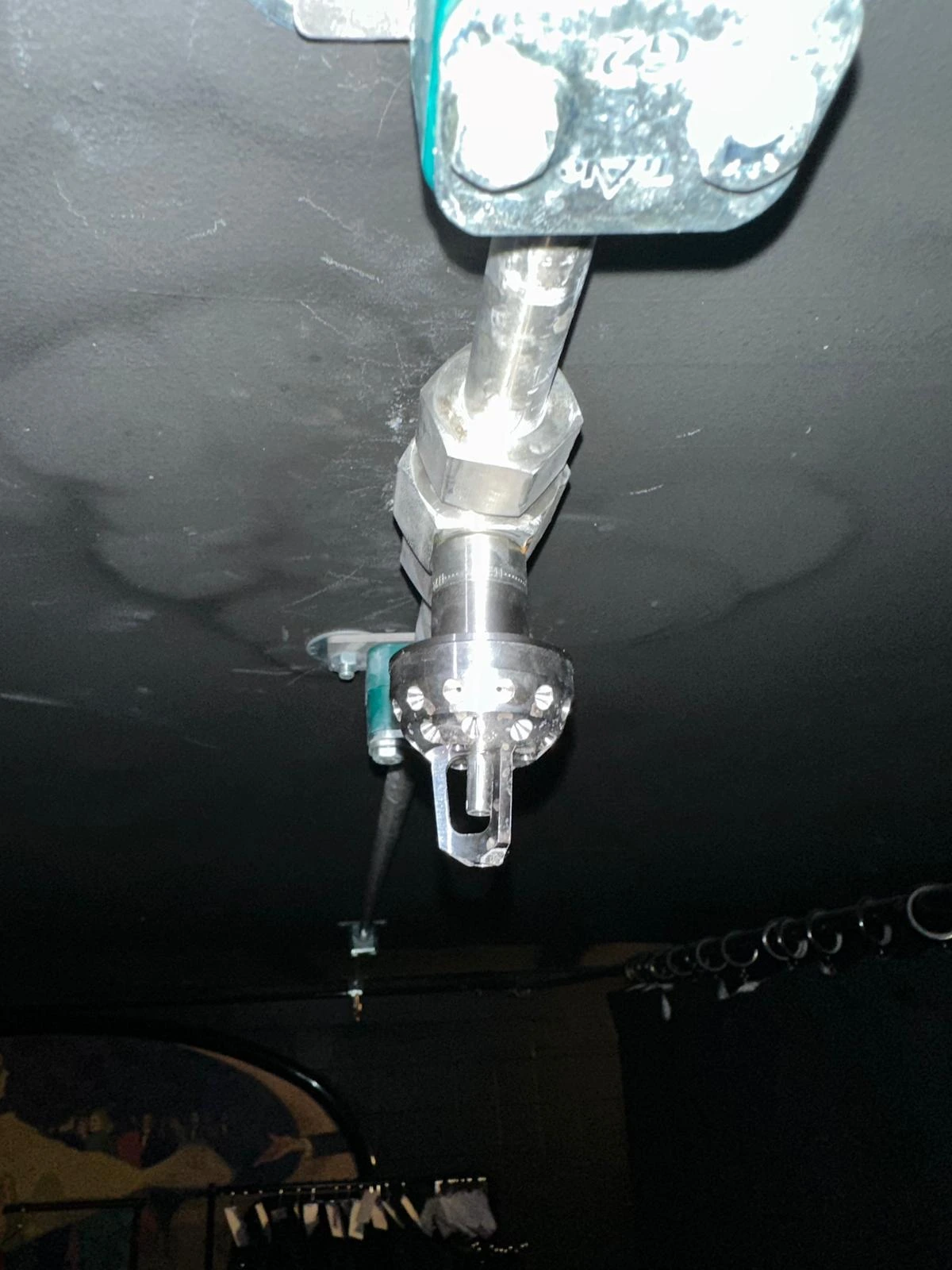
The solution installed is an automatic high-pressure water mist suppression system. The nozzles feature heat-sensitive thermal bulbs calibrated to activate only when project-defined temperature thresholds are reached. Water discharged at high pressure is atomized into extremely fine micro-droplets, operating through three simultaneous mechanisms:
- Rapid heat absorption directly within the fire origin area
- Thermal radiation attenuation protecting adjacent historical decor
- Localized oxygen displacement at the flame front.
This results in a highly targeted intervention: activation is strictly localized to the automatic nozzles exposed to elevated temperatures. This targeted response delivers water only where needed, drastically reducing total water volume and minimizing secondary damage typical of traditional fire sprinkler systems.
Integrating fire technology seamlessly: small-bore piping and architectural concealment
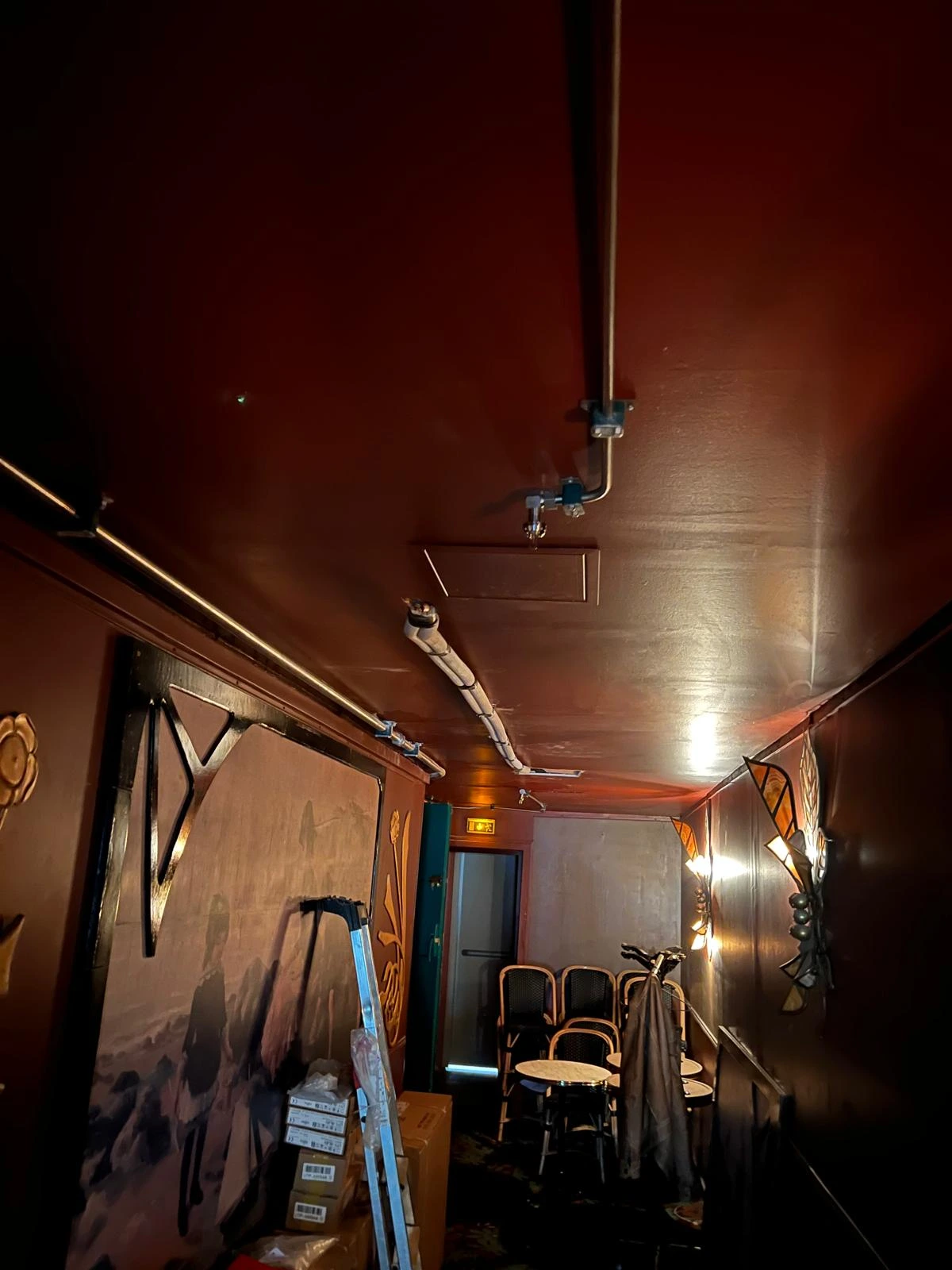
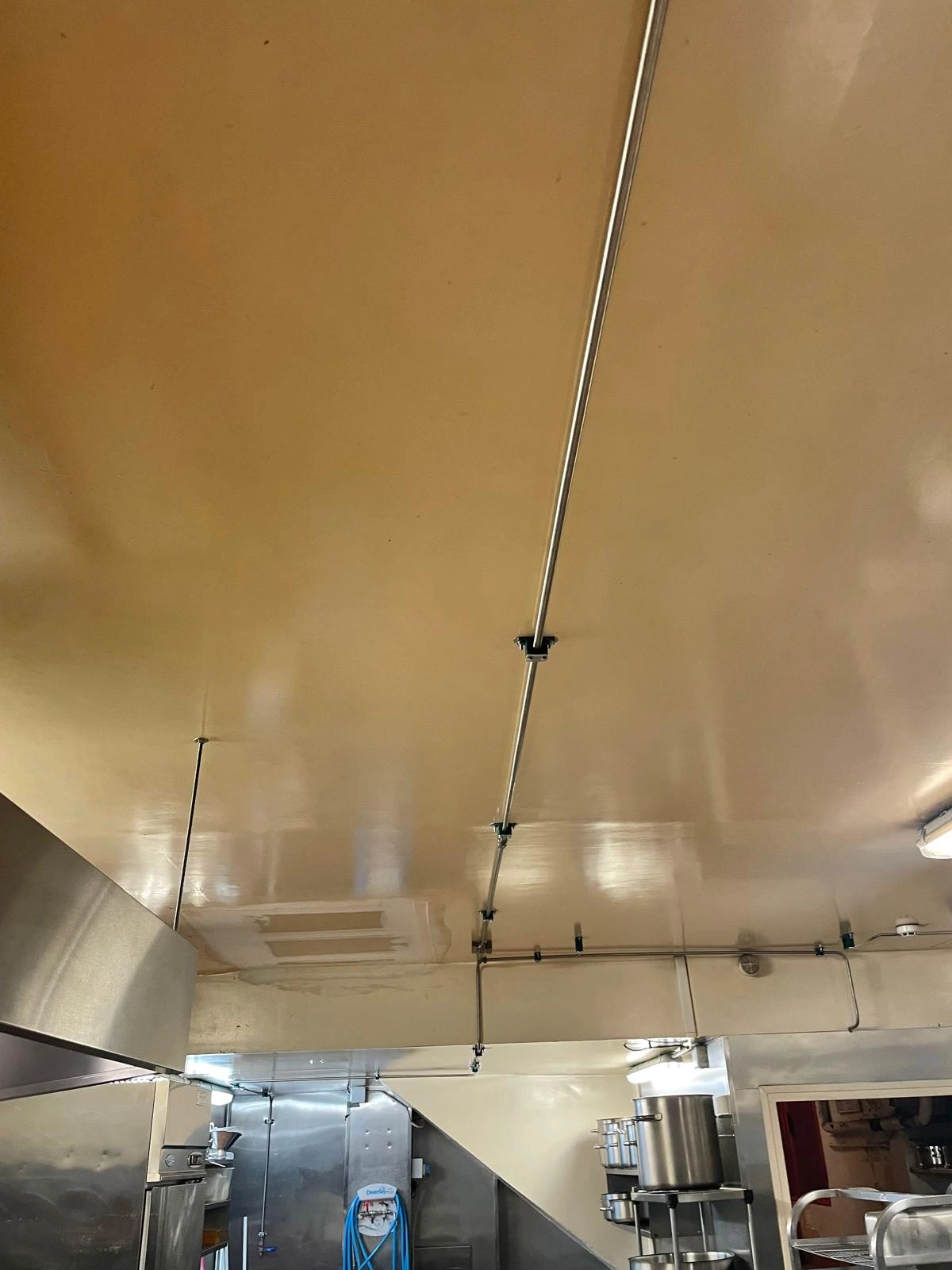
The system distribution network was fabricated using small-bore stainless steel piping, with custom-routed runs designed to respect the historic building fabric and existing ornamental elements.
In exposed areas, the pipe runs received custom aesthetic surface treatments (color-matching finish), allowing the pipework to blend discretely into the restaurant’s decorative finishes and load-bearing structures. Consequently, the fire suppression system delivers maximum life safety and property protection while remaining visually unobtrusive, preserving the room’s aesthetic integrity.
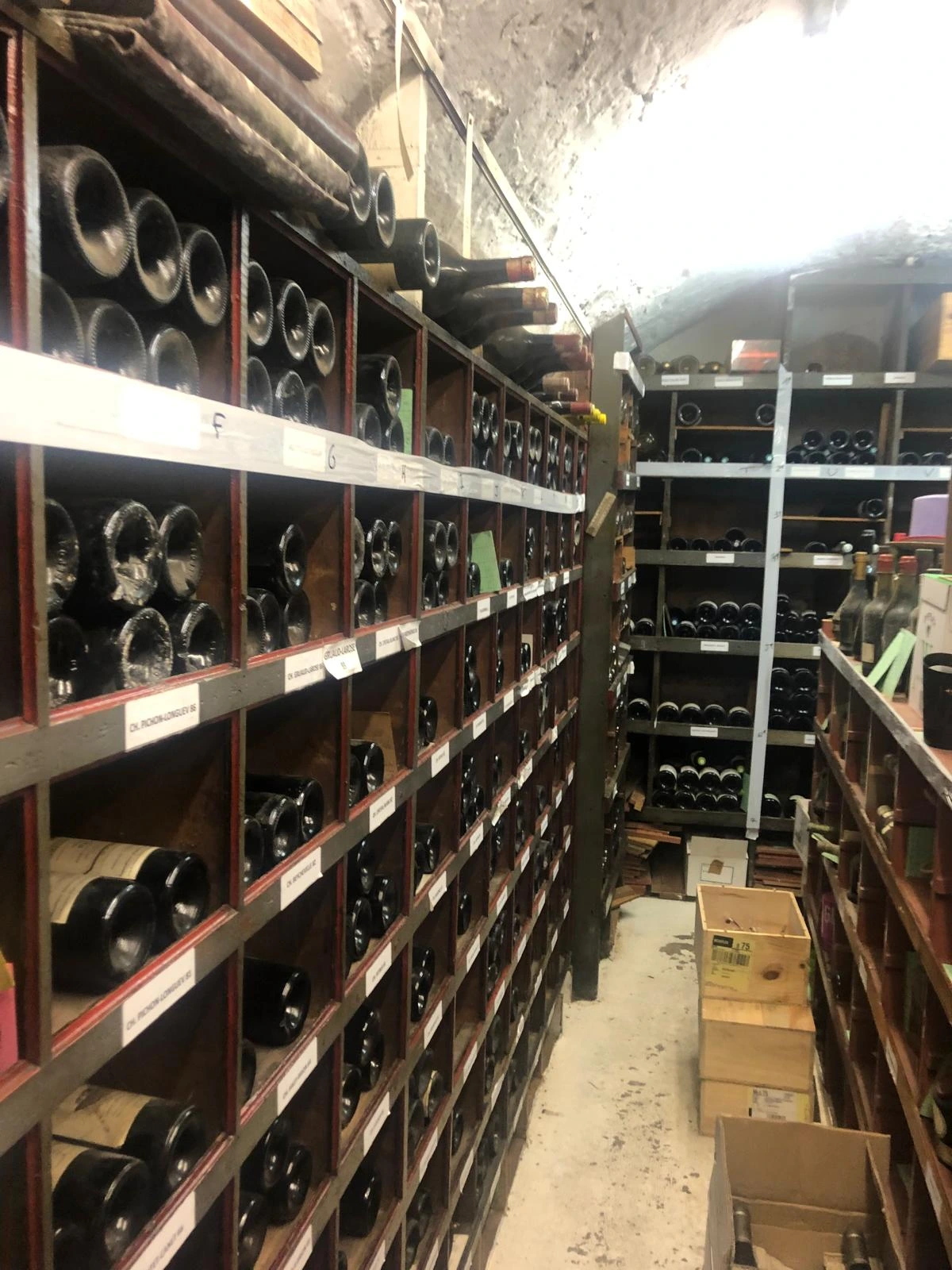
Regarding the mechanical plant, the high-pressure water mist pump skid was installed in the basement level and connected to the existing water supply network. The compact footprint of the pump unit minimized technical room space requirements, preserving valuable operational space for the restaurant.
Long-term asset protection and continuous maintenance with LOGIFIRE
The original system was designed and installed prior to LOGIFIRE’s foundation by engineers and technicians who are now part of our core team.
Today, LOGIFIRE handles the specialist maintenance of the water mist system, ensuring complete continuity in technical knowledge, installation specifics, and the unique conservation requirements of this historic structure.
Protecting heritage properties means understanding them, respecting their history, and ensuring continuous expert care.
This project demonstrates how an advanced fire suppression system can become an integral part of a building without overpowering its architecture.
High-pressure water mist technology successfully combined life safety, asset preservation, minimal structural disruption, and business continuity. Rather than forcing a historic site to adapt to a standardized layout, the engineering solution was designed around the building itself.
Every historic building has a story. Fire protection engineering must know how to respect it.
Architecture, space utilization, and safety objectives define the starting point of every project.
Need to secure a high-value historic or listed building?
Contact the LOGIFIRE team for a tailored technical consultation