Fire protection engineered for lifecycle facility growth
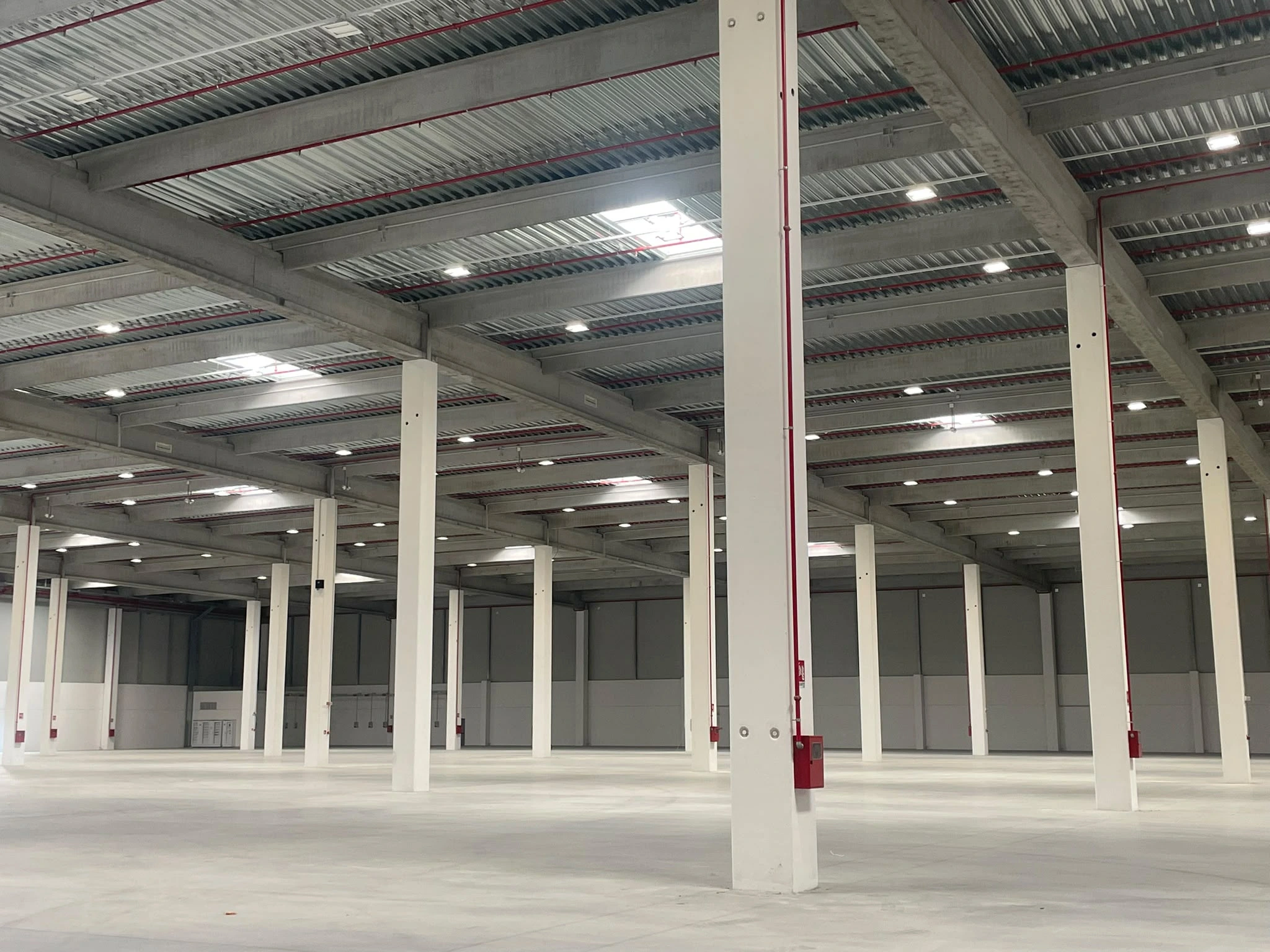
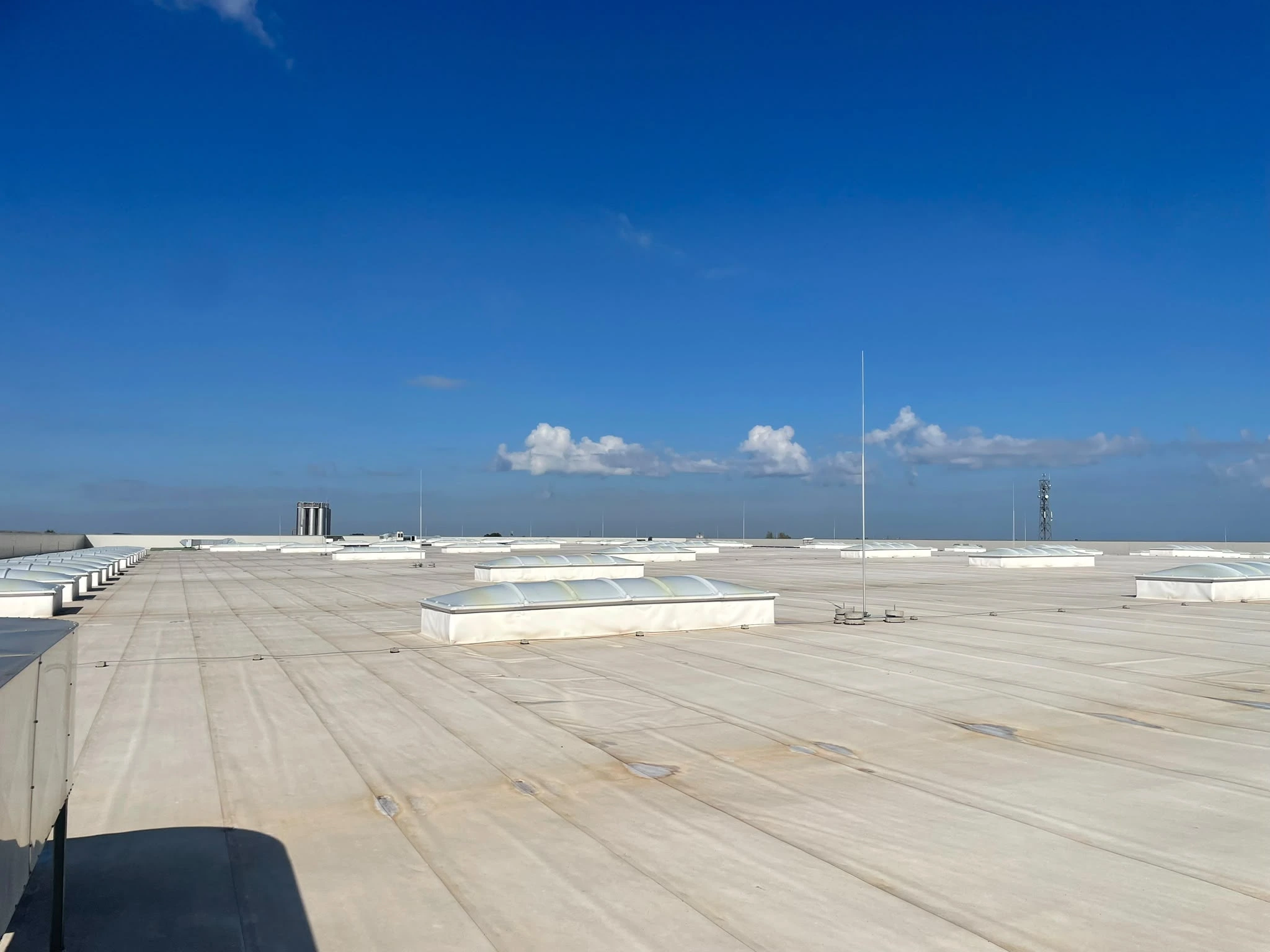
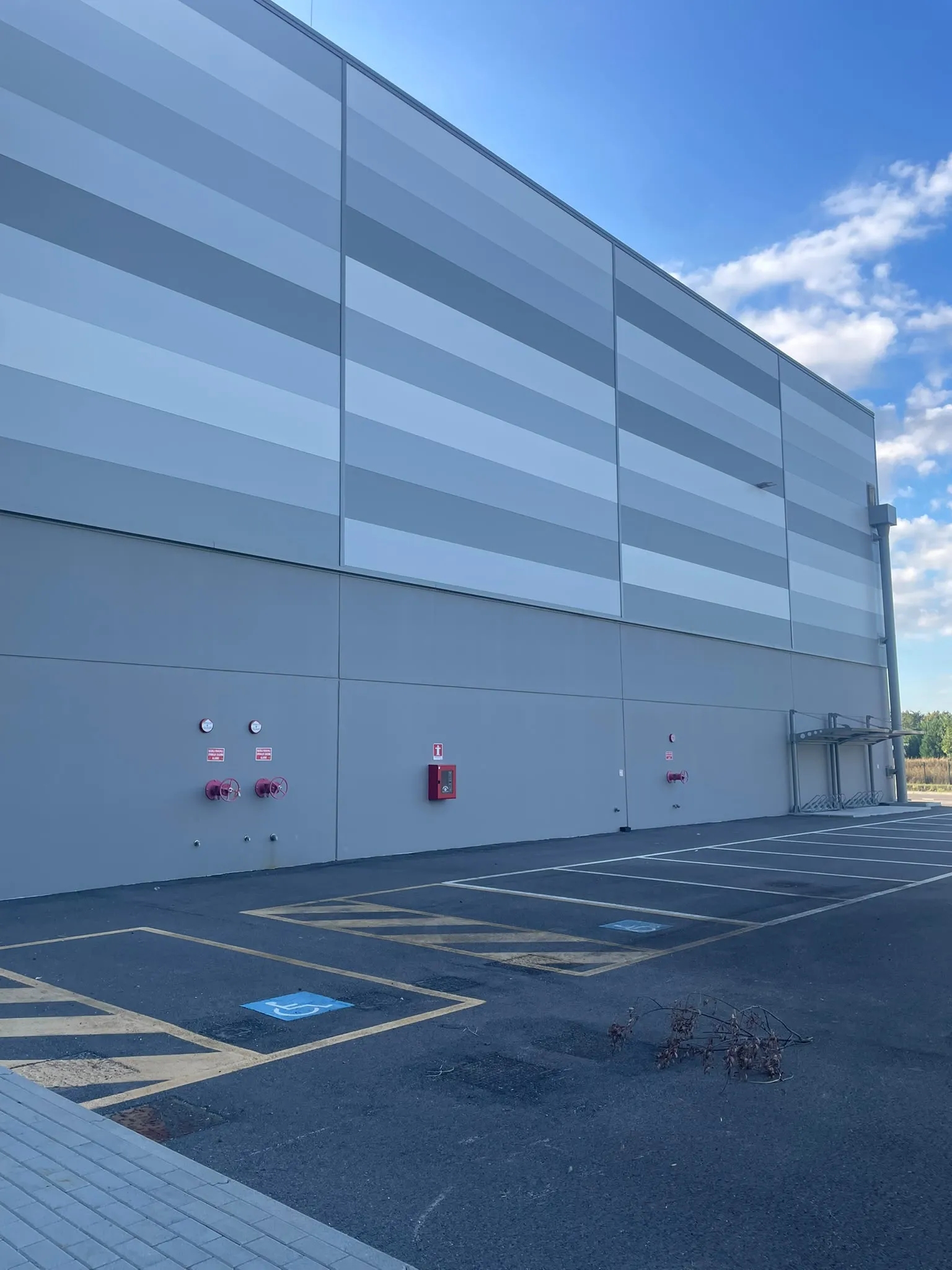
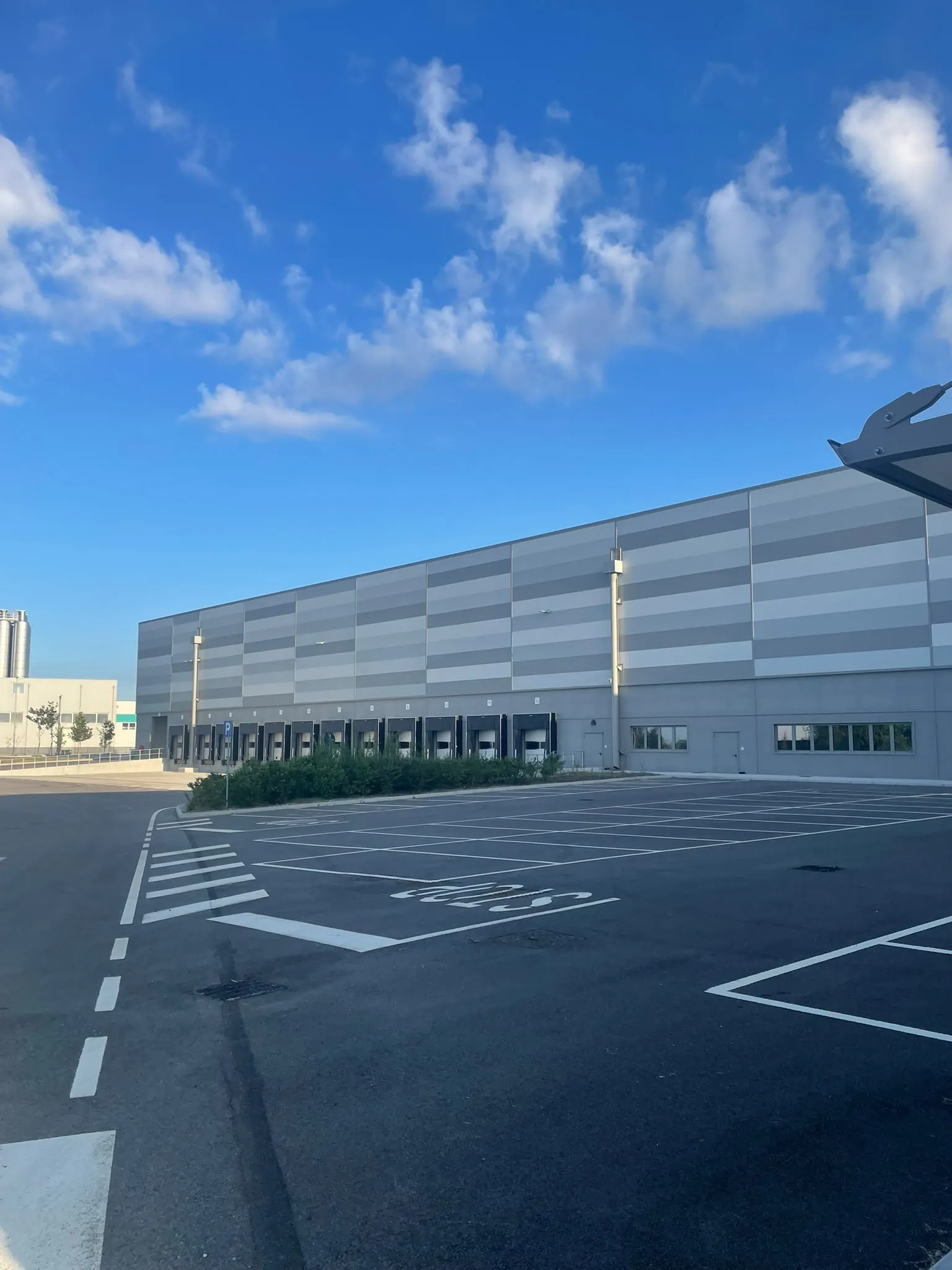
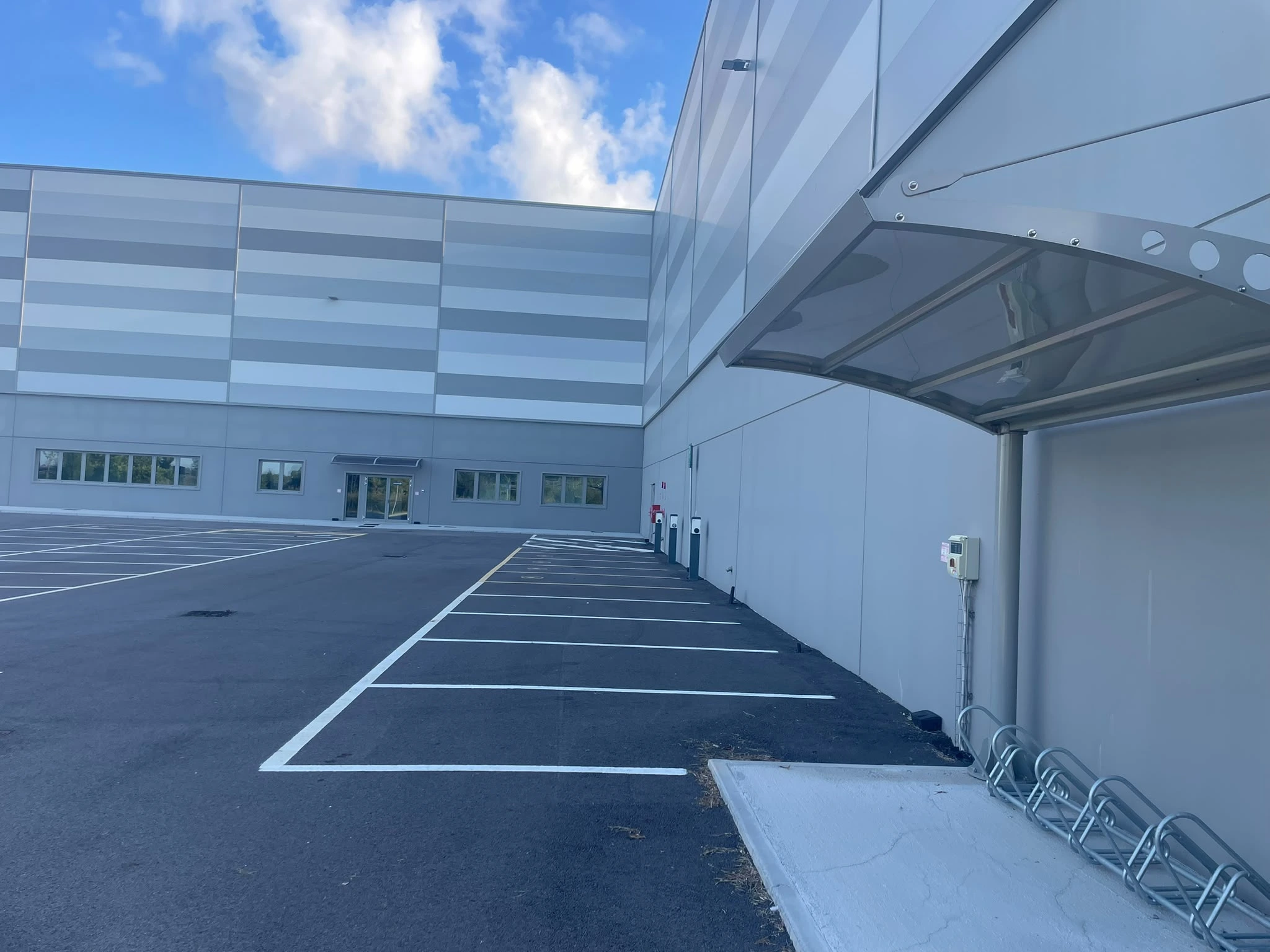
The Castelguglielmo logistics park, strategically situated along the Polesine road network in the province of Rovigo, is a high-performance facility engineered to meet the demands of modern distribution. Like all contemporary logistics hubs, its core design requirement is long-term operational adaptability.
Throughout the lifecycle of a logistics facility, internal layouts, storage clear heights, automated material handling systems (AMHS), operational zones, and space utilization dynamically adapt as new tenants arrive and distribution models evolve. Fire scenarios in these complexes are characterized by rapid flame spread and extremely high fuel loads, capable of endangering both structural integrity and personnel within minutes.
Implementing fire protection systems in large-scale logistics facilities involves critical engineering challenges:
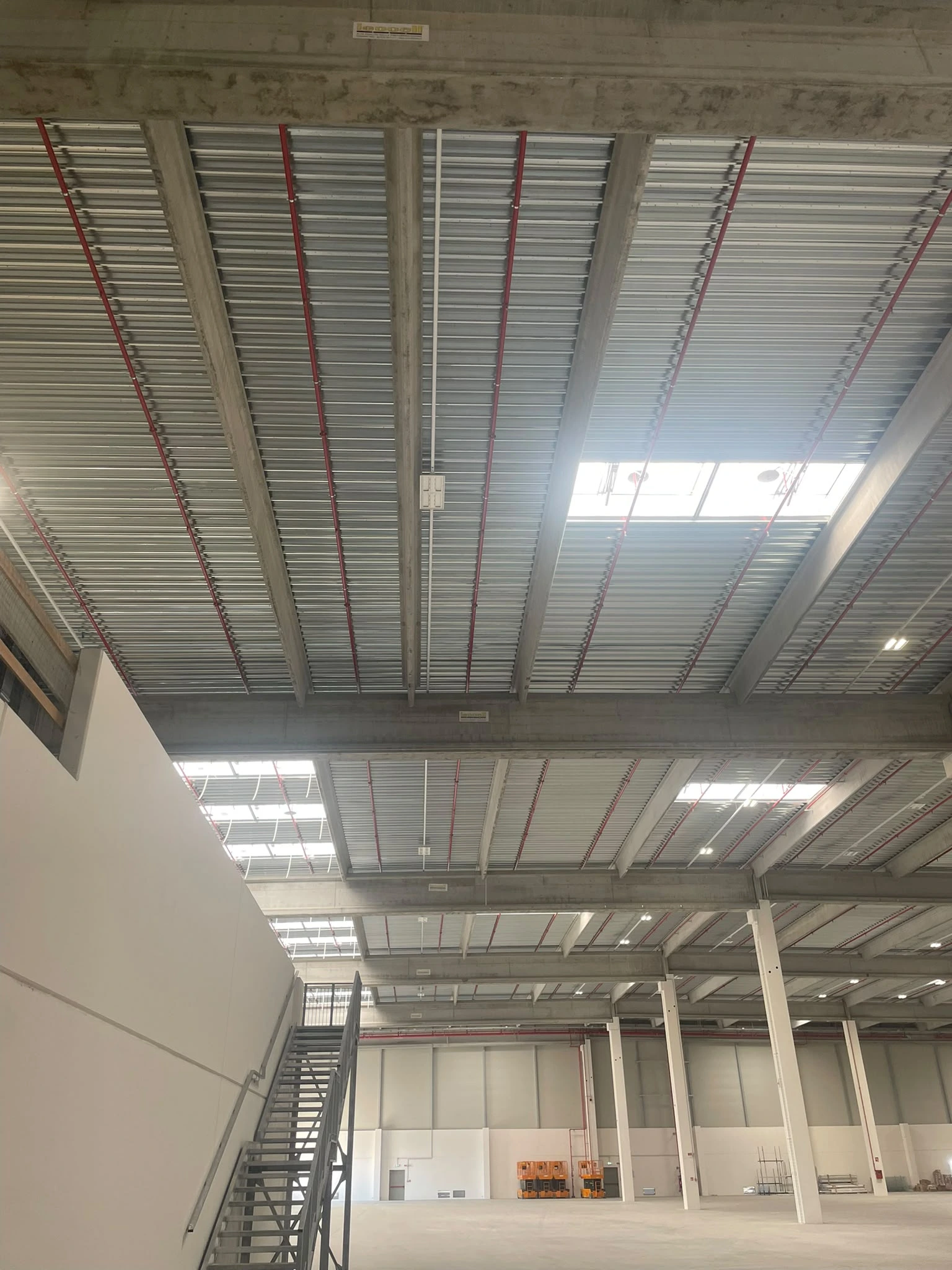
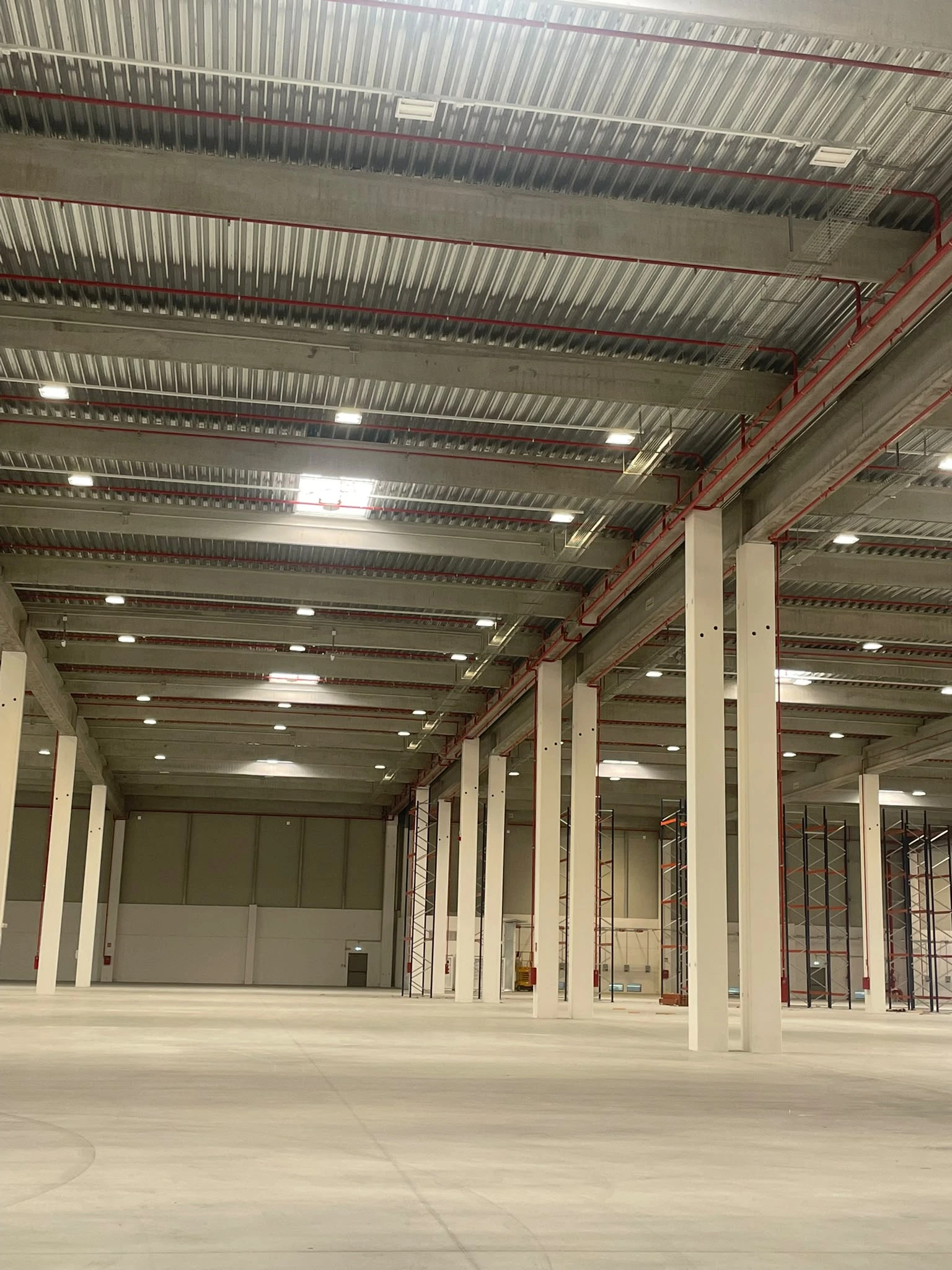
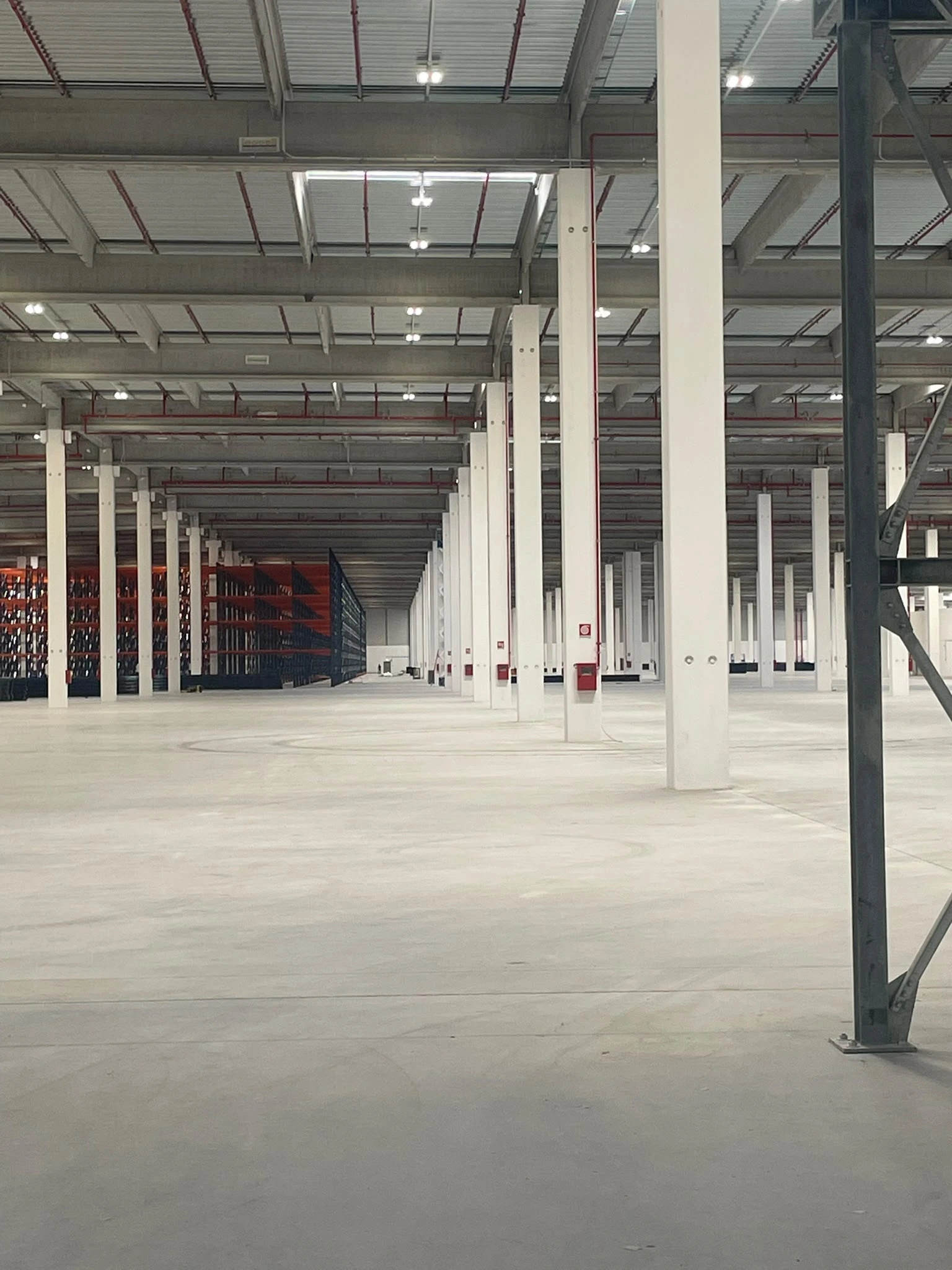
- Spatial geometry and extreme volumes (clear heights, open plans, and vertical storage): high ceilings combined with vast, uncompartmentalized open layouts accelerate horizontal smoke migration and vertical fire propagation. This triggers a severe “stack effect” (chimney effect) within high-bay rack storage, accelerating upward fire growth. Concurrently, massive enclosure volumes delay ceiling-level detector response and hinder traditional sprinkler suppression, as water droplets struggle to penetrate the buoyant thermal fire plume, risking early structural collapse of the lightweight steel roof deck.
- Dynamic, heterogeneous, and variable fire loads: due to the shifting nature of logistics operations involving diverse commodity classes (plastics, electronics, aerosols, and flammable liquids), the fuel load is never static. This presents the challenge of designing protection systems that will not become undersized or deficient as stored commodities change.
- Advanced automation and emerging energy vectors (robotics and lithium-ion batteries): integrating electric forklift fleets and Autonomous Guided Vehicles (AGVs/AMRs) shifts hazard profiles toward chemical fires involving lithium-ion battery technology. Thermal runaway in battery systems and mobile equipment is exceptionally difficult to suppress with conventional water-based fire protection. Furthermore, the high storage density of automated systems creates physical barriers to firefighter access, while forced airflows from robotic handling systems can distort smoke trajectories, impairing early detection sensors.
In facilities of this magnitude, life safety, logistics operations, and MEP systems cannot be treated as isolated disciplines. Fire protection must interact seamlessly with space management, material handling flows, automation systems, and future operational demands.
Consequently, fire protection cannot be designed solely around a building’s initial fit-out. It must be engineered around the facility’s inherent capacity to adapt to future transformations while maintaining system performance, reliability, and business continuity.
“A logistics facility is truly operational only when its fire protection architecture is engineered to evolve alongside it.”
Logifire’s field engineering approach: bridging design and job-site execution
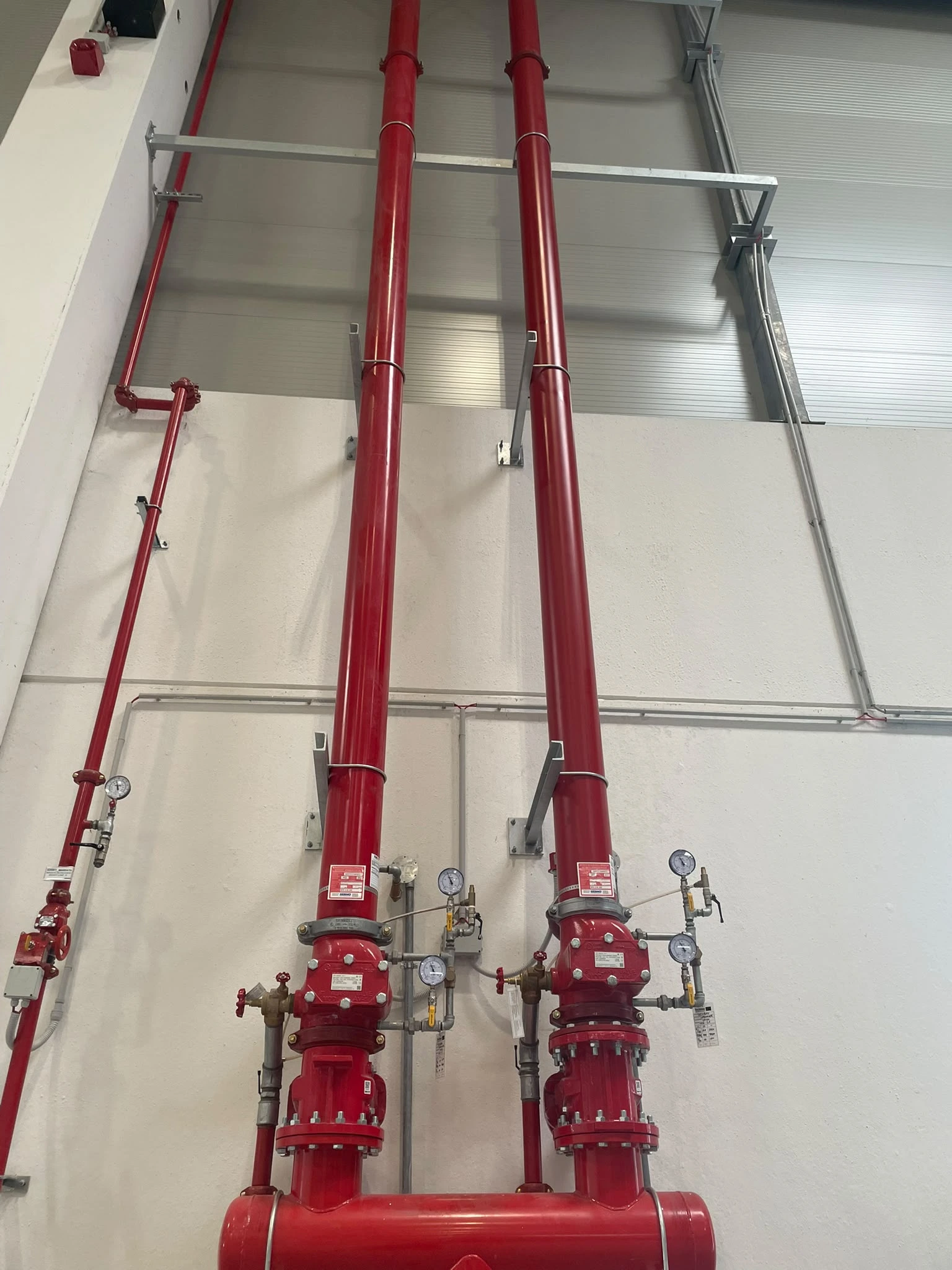
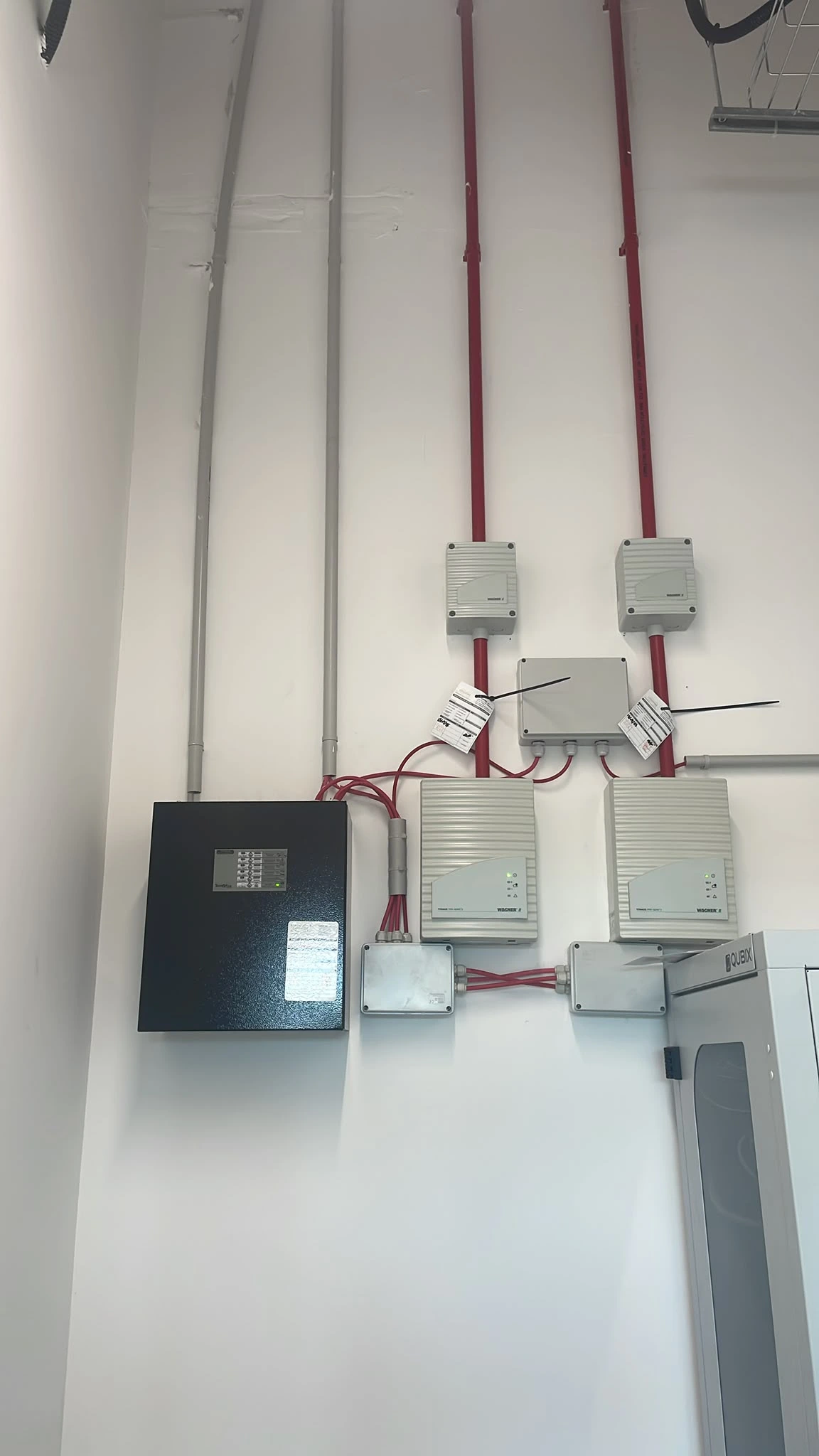
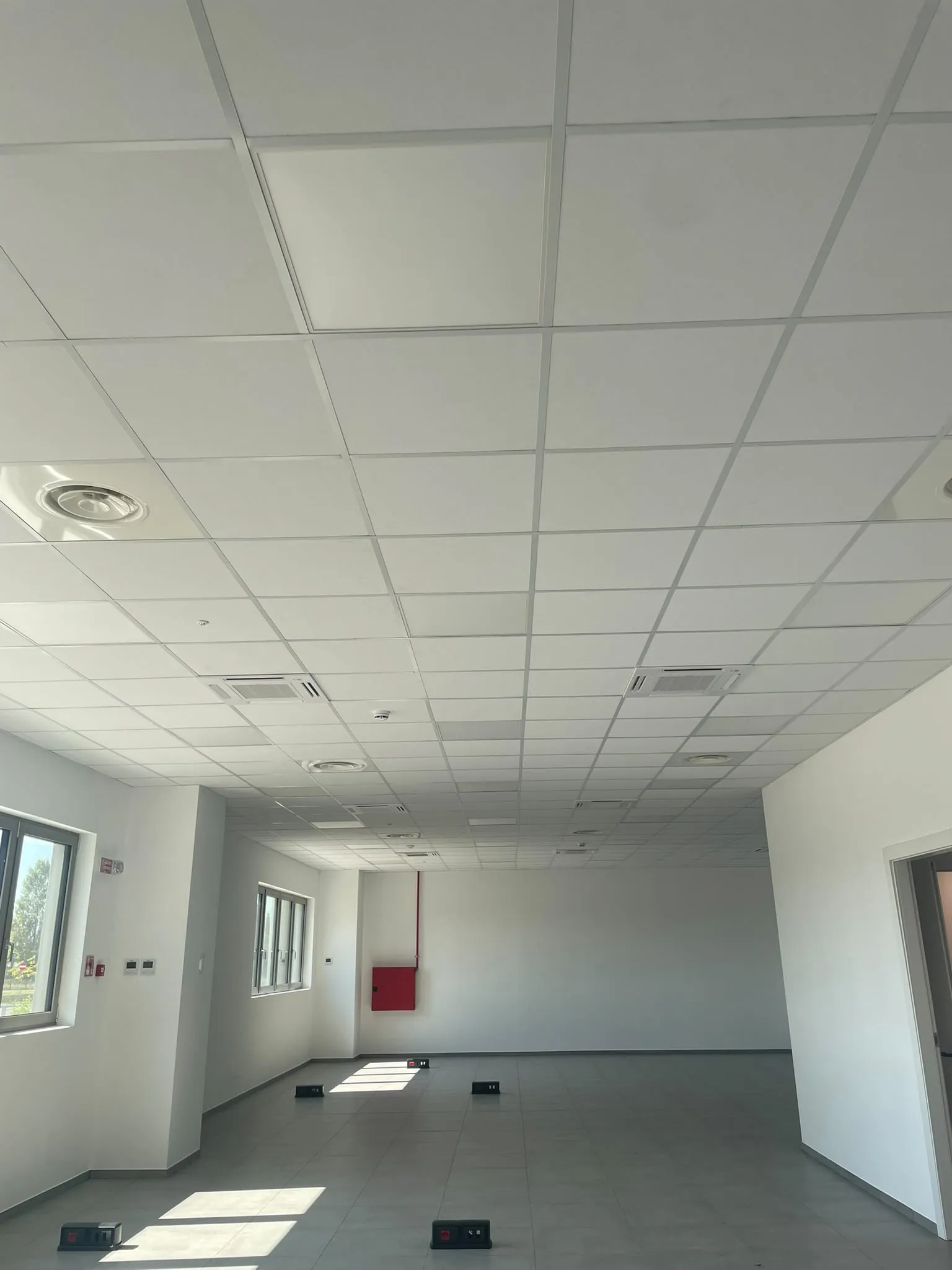
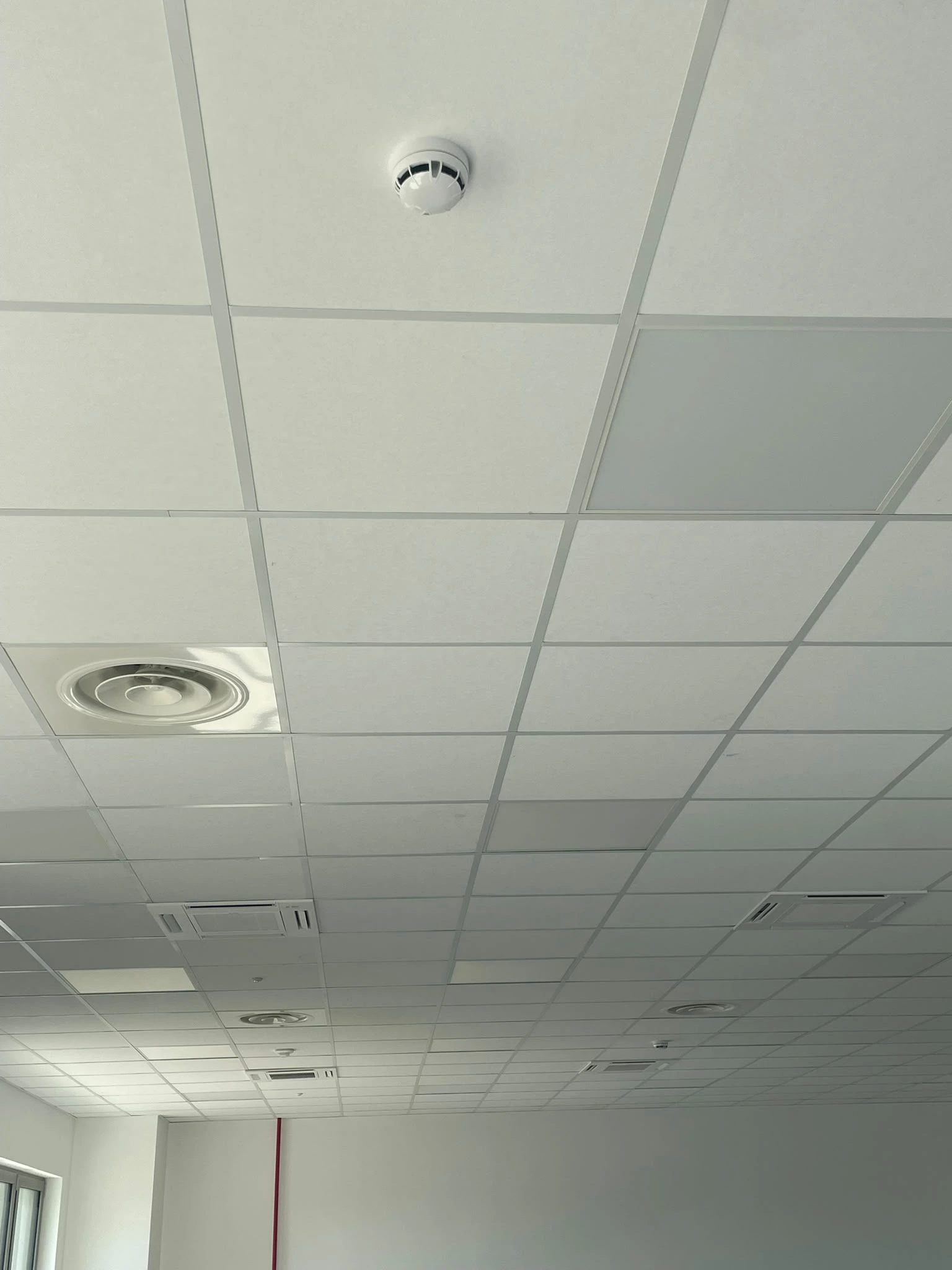
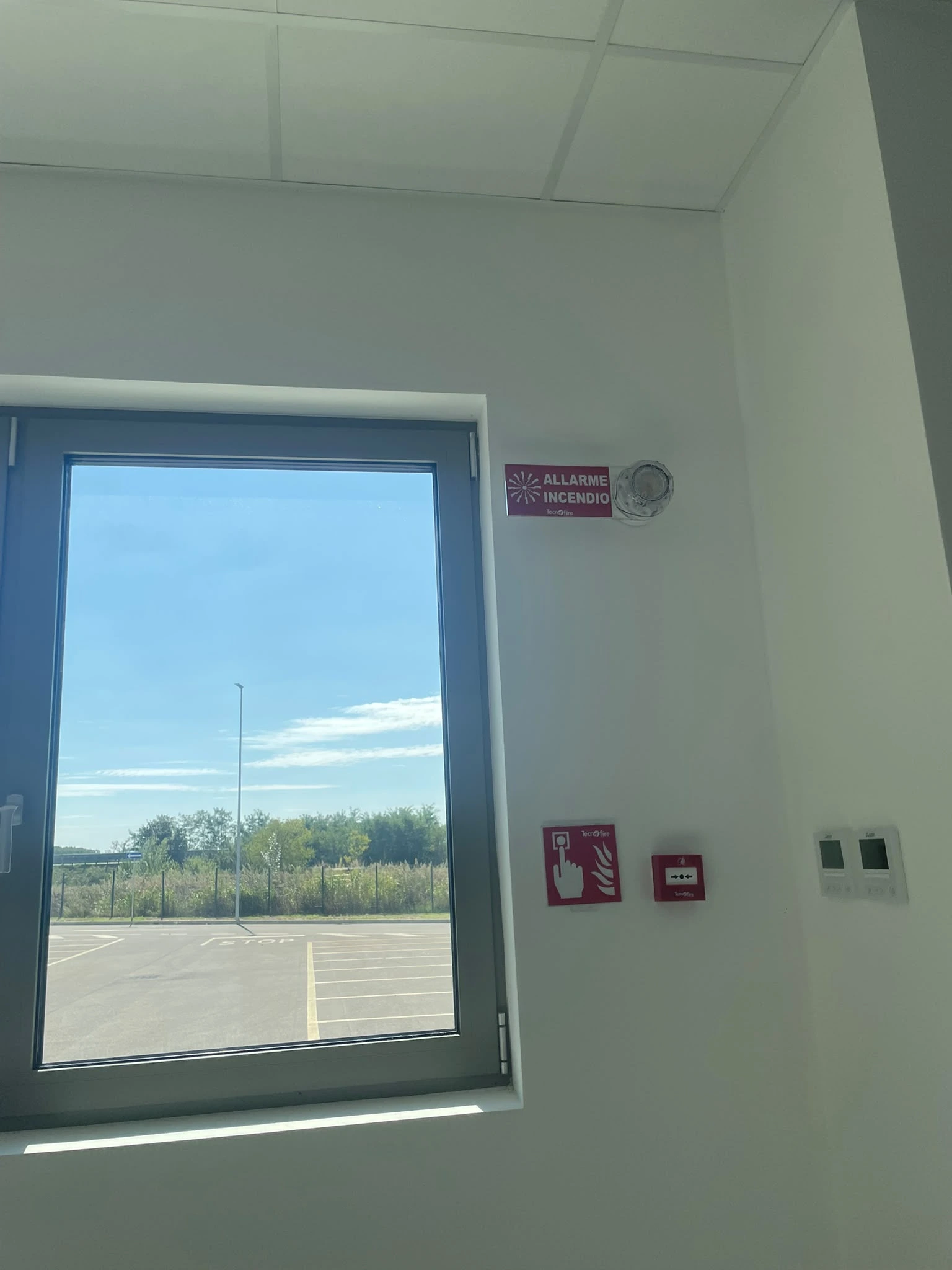
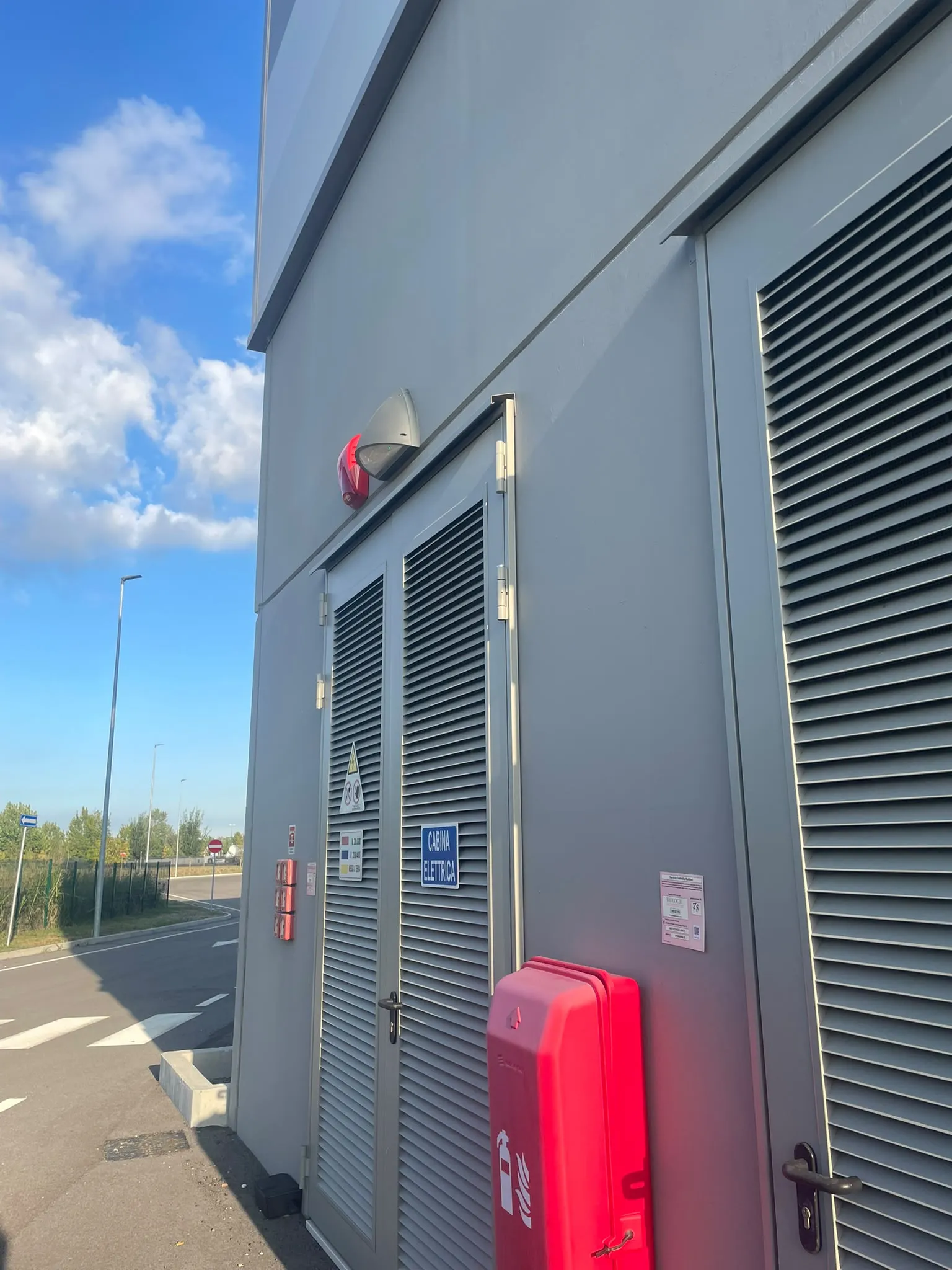
At the Castelguglielmo logistics center, Logifire delivered an integrated fire protection framework where active suppression, detection, and containment technologies work in full synergy with the building structure.
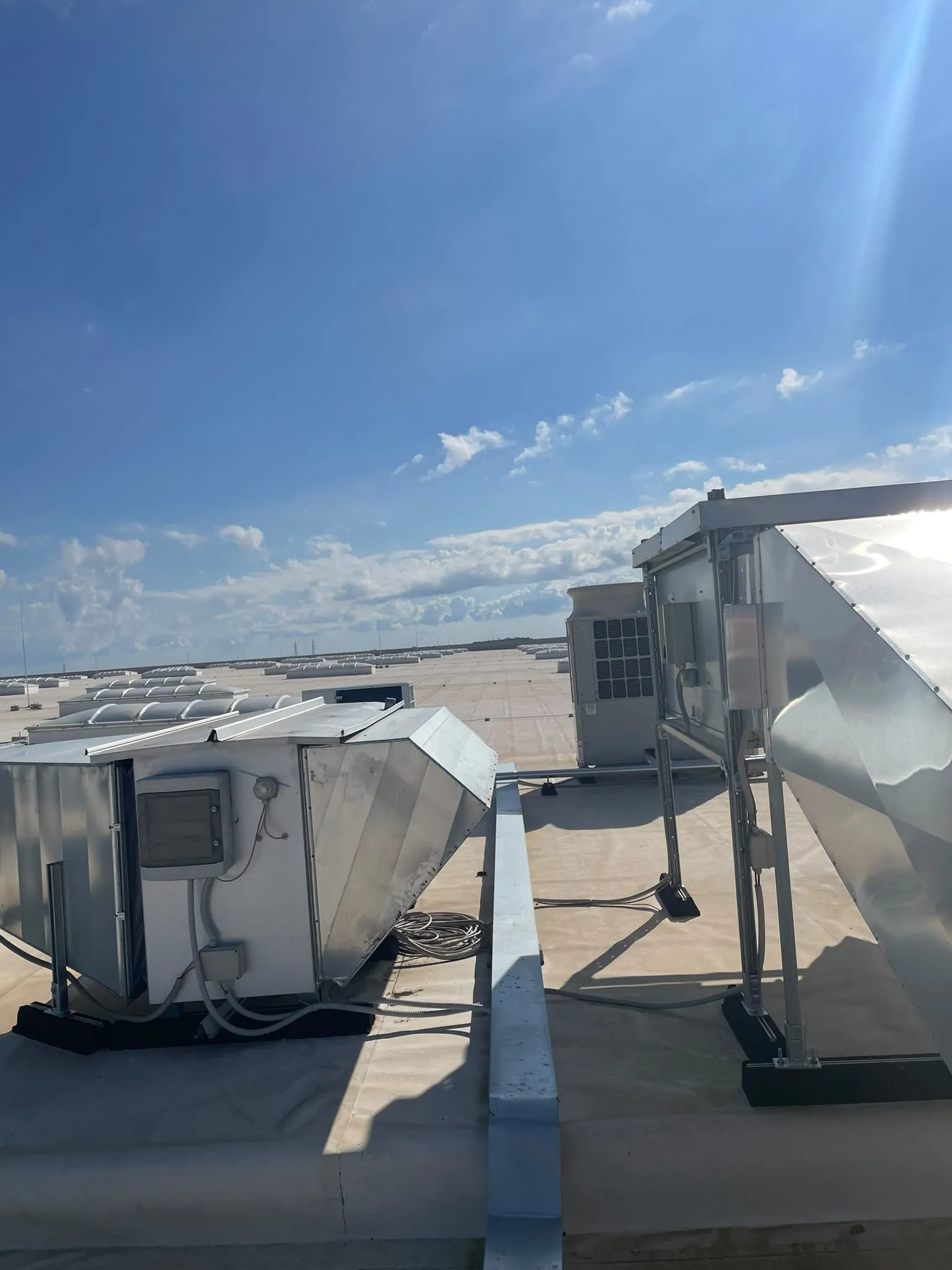
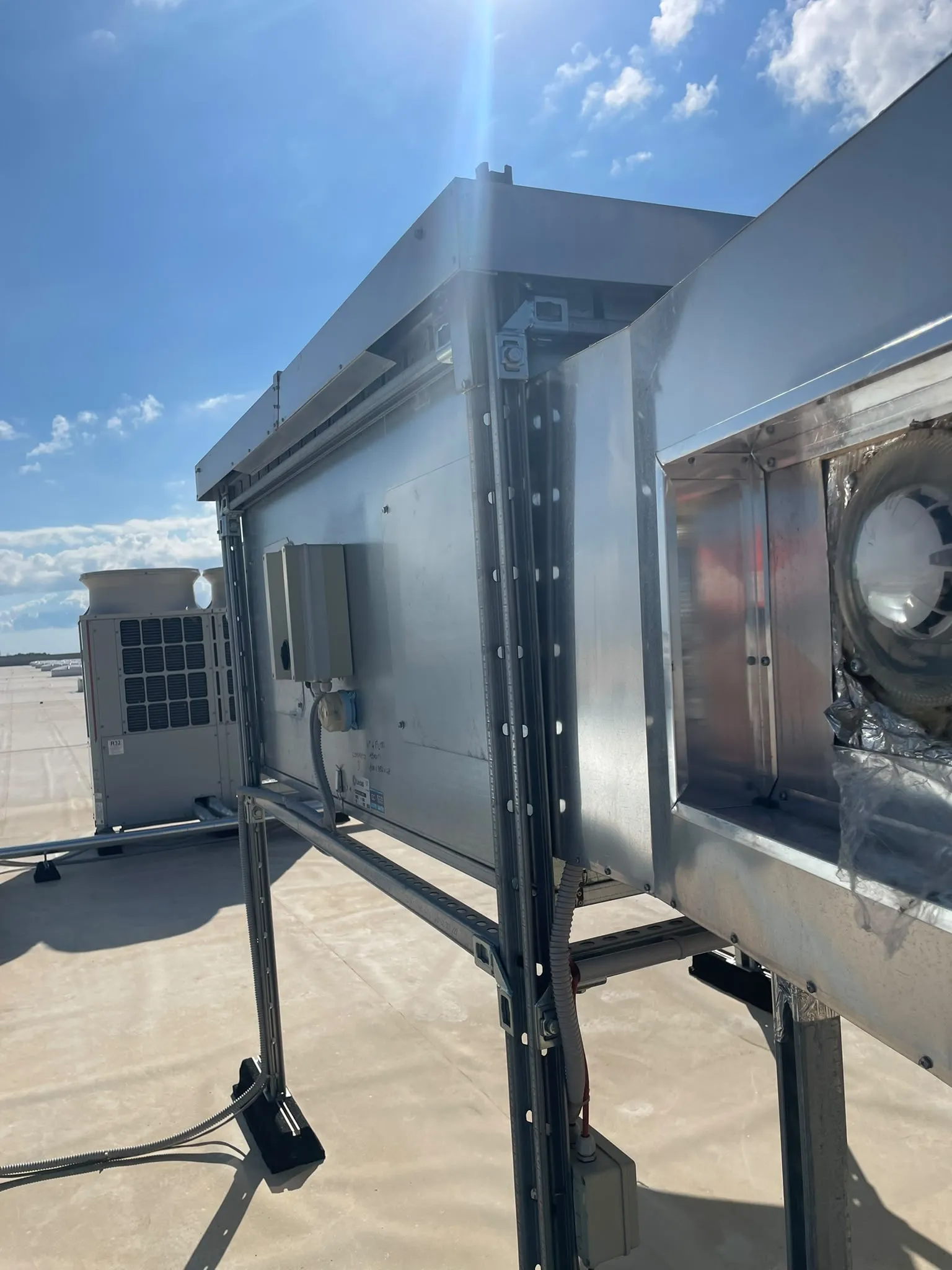
In large-scale logistics construction, disparities between design drawings and actual site conditions are common. Structural clashes, mid-project design revisions, and compressed installation schedules require a specialized engineering team capable of resolving field issues in real time.
Accurate site evaluation, precise regulatory code compliance, and agile field adaptation form the cornerstone of successful execution. Logifire’s work at Castelguglielmo required continuous coordination between engineering design, system installation, and real-time job-site realities.
“Protection begins long before commissioning: understanding how a facility will operate tomorrow is integral to its safety today.”
The Castelguglielmo project demonstrates that fire protection is far more than a statutory compliance requirement. It is a critical infrastructure asset supporting the building throughout its operational lifecycle, ensuring alignment between fire hazard profiles, real-world space usage, and business continuity.
Partnering with Logifire for major logistics hubs guarantees:
- Long-term real estate asset value protection: systems engineered and installed to facilitate seamless property repositioning on the logistics leasing market.
- Minimized construction site interference: dedicated specialist crews equipped to resolve field installation conflicts and spatial interferences independently.
- A single-point-of-contact partner for integrated fire protection.
“Fire protection is not merely a regulatory requirement: it is vital infrastructure that accompanies the facility throughout its entire operational lifecycle.”
Planning fire protection for a new logistics hub or retrofitting an existing facility?
Every operational hub presents unique volumetric and logistical challenges. Our fire protection engineering specialists are available to support asset owners, General Contractors, Property Managers, and design engineers in delivering high-reliability fire safety systems.