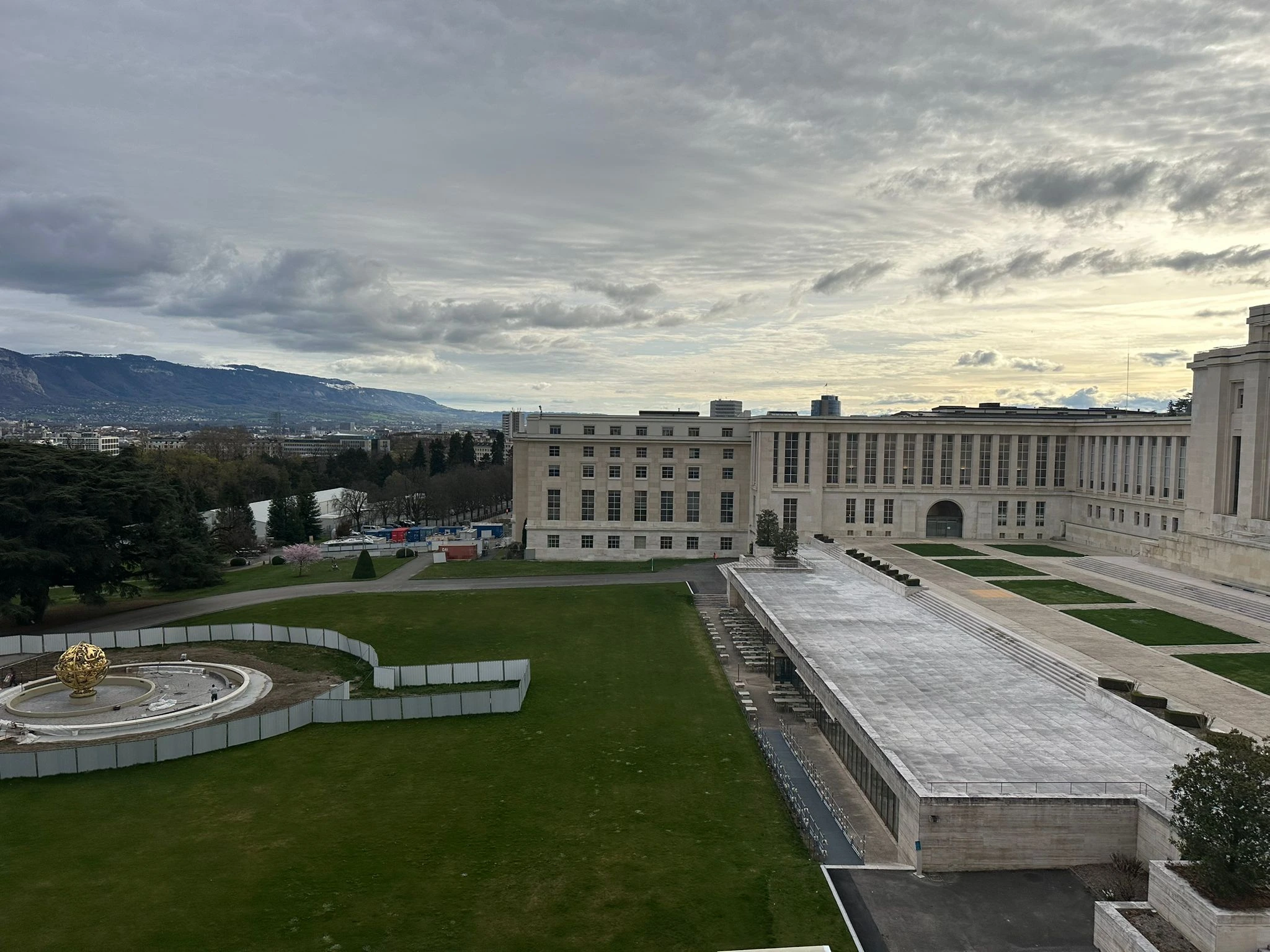
Water mist fire suppression for documented heritage linked to the history of multilateralism
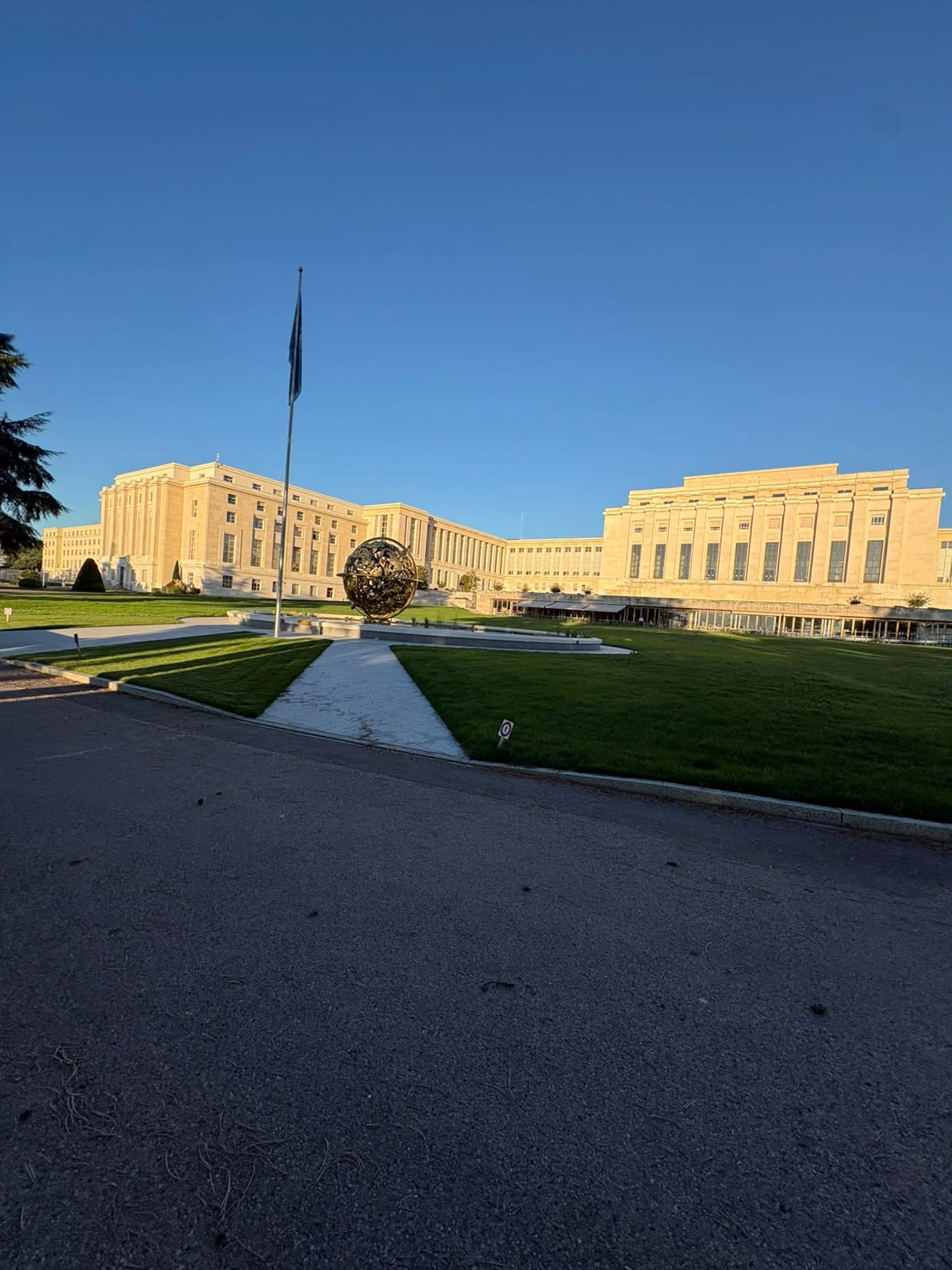
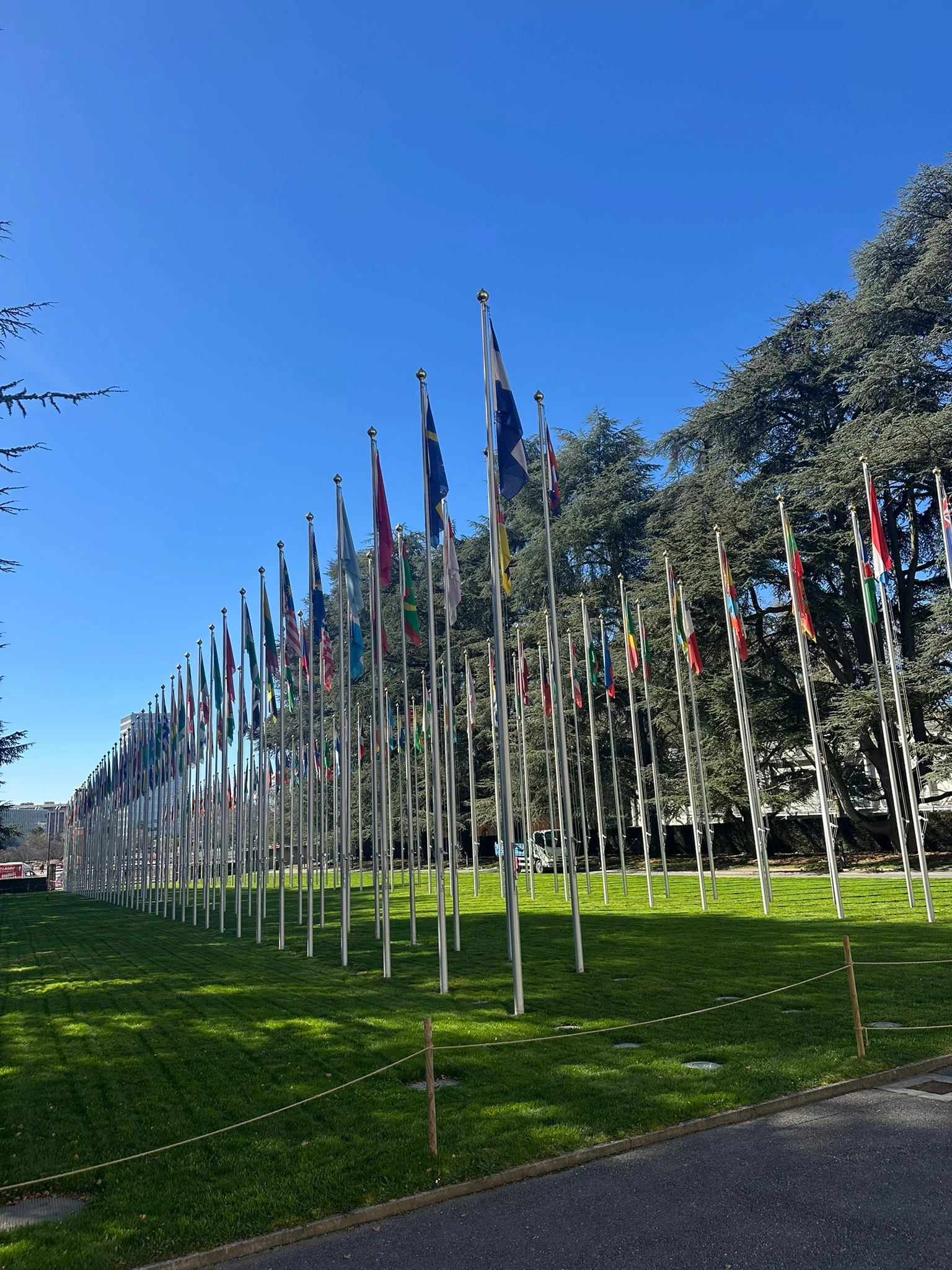
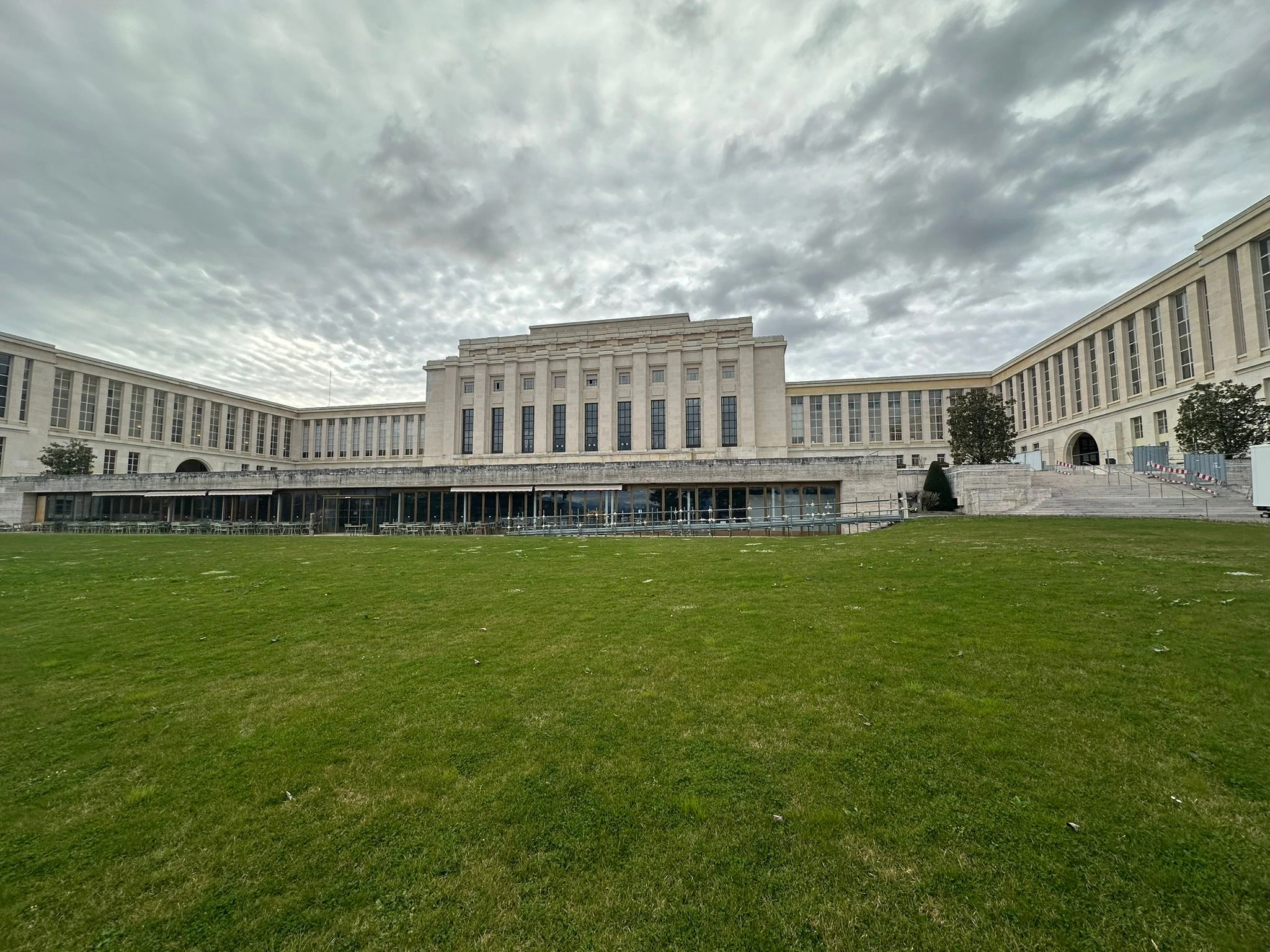
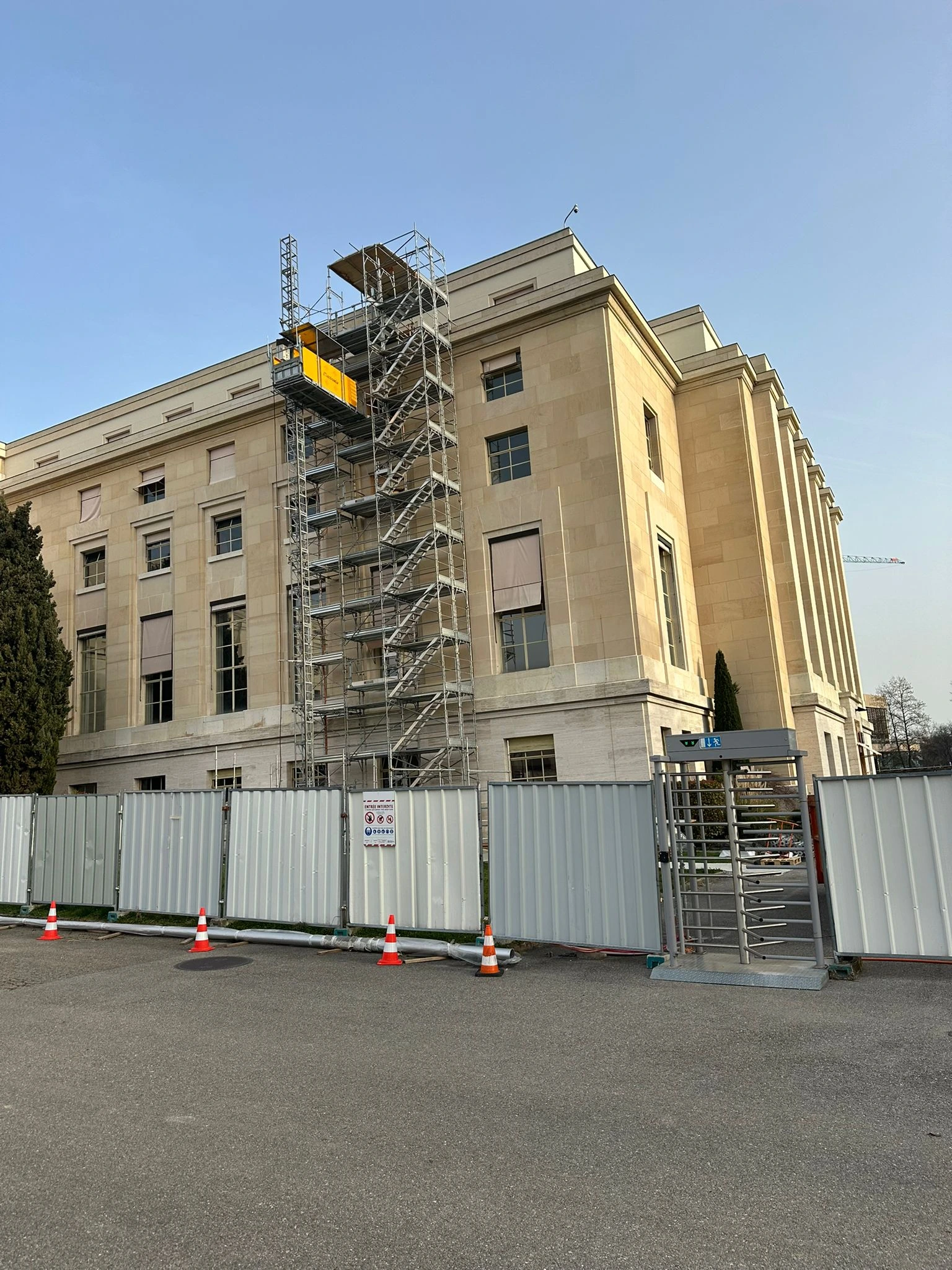
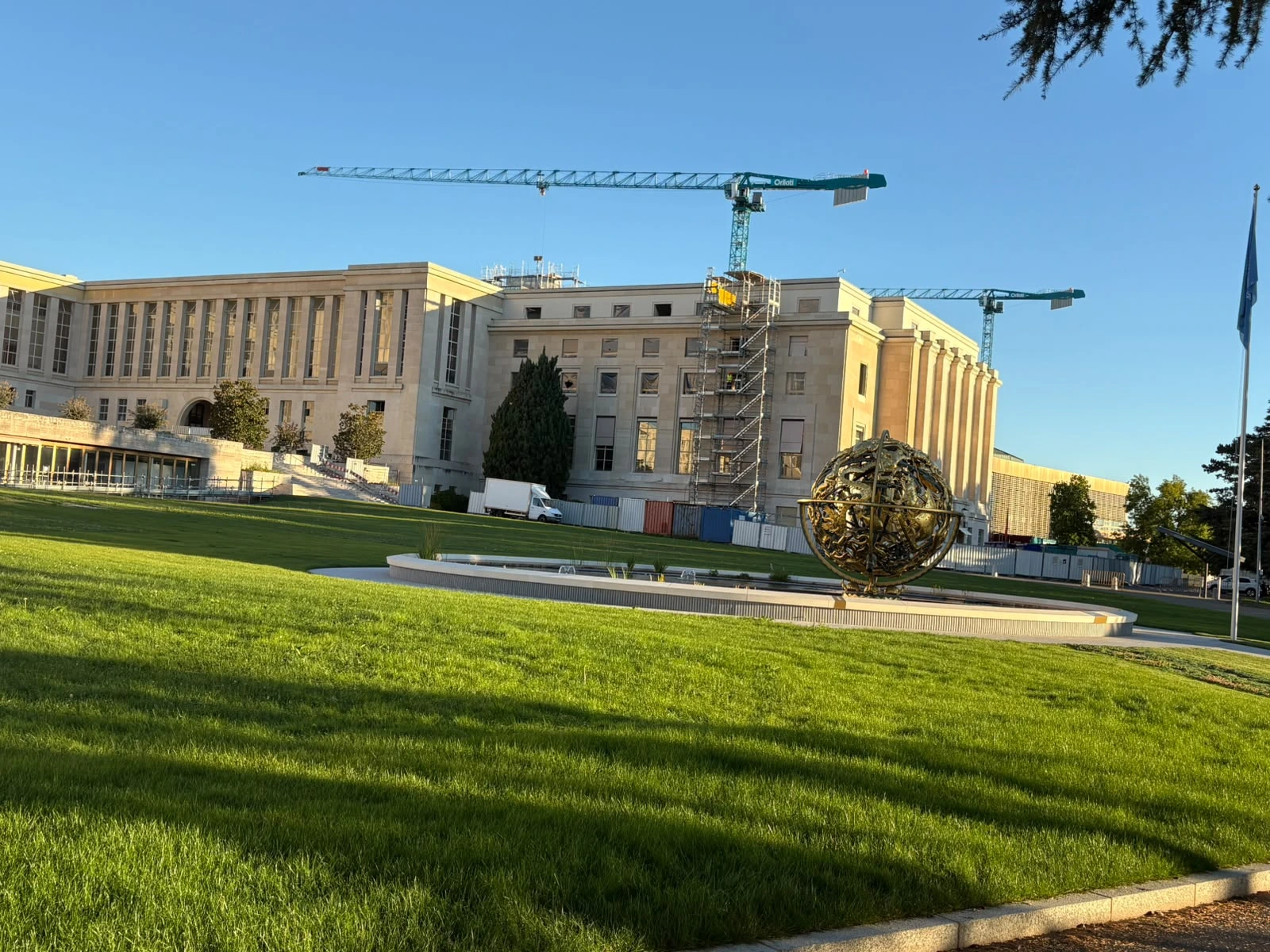
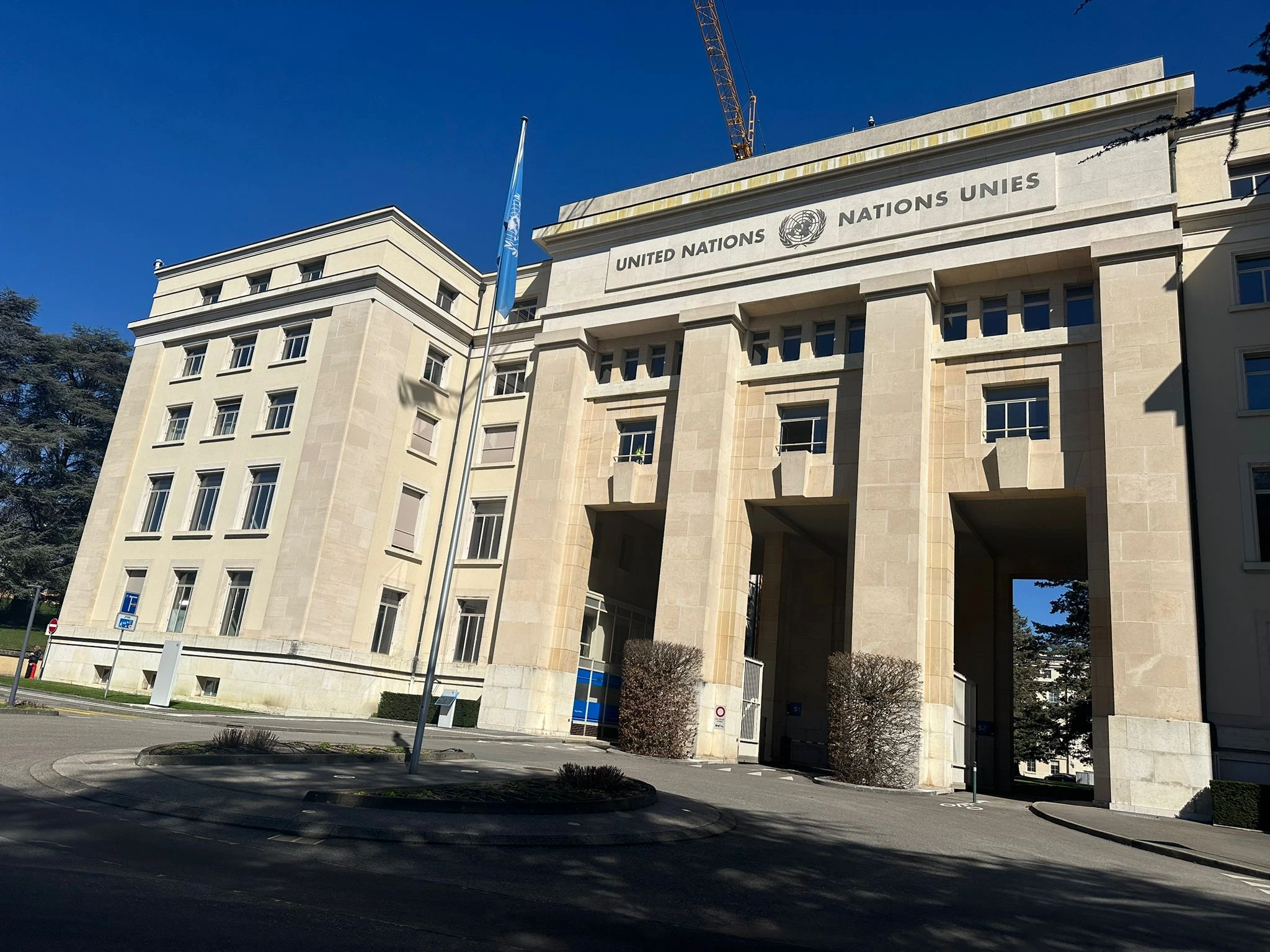
The Palais des Nations in Geneva is not merely the European headquarters of the United Nations. Its archives house collections and historical record funds documenting the history of the League of Nations, international peace movements, and multilateral cooperation. This invaluable heritage is extensively consulted by institutions, researchers, and historians worldwide, with every single document preserving a portion of twentieth-century civil and political memory.
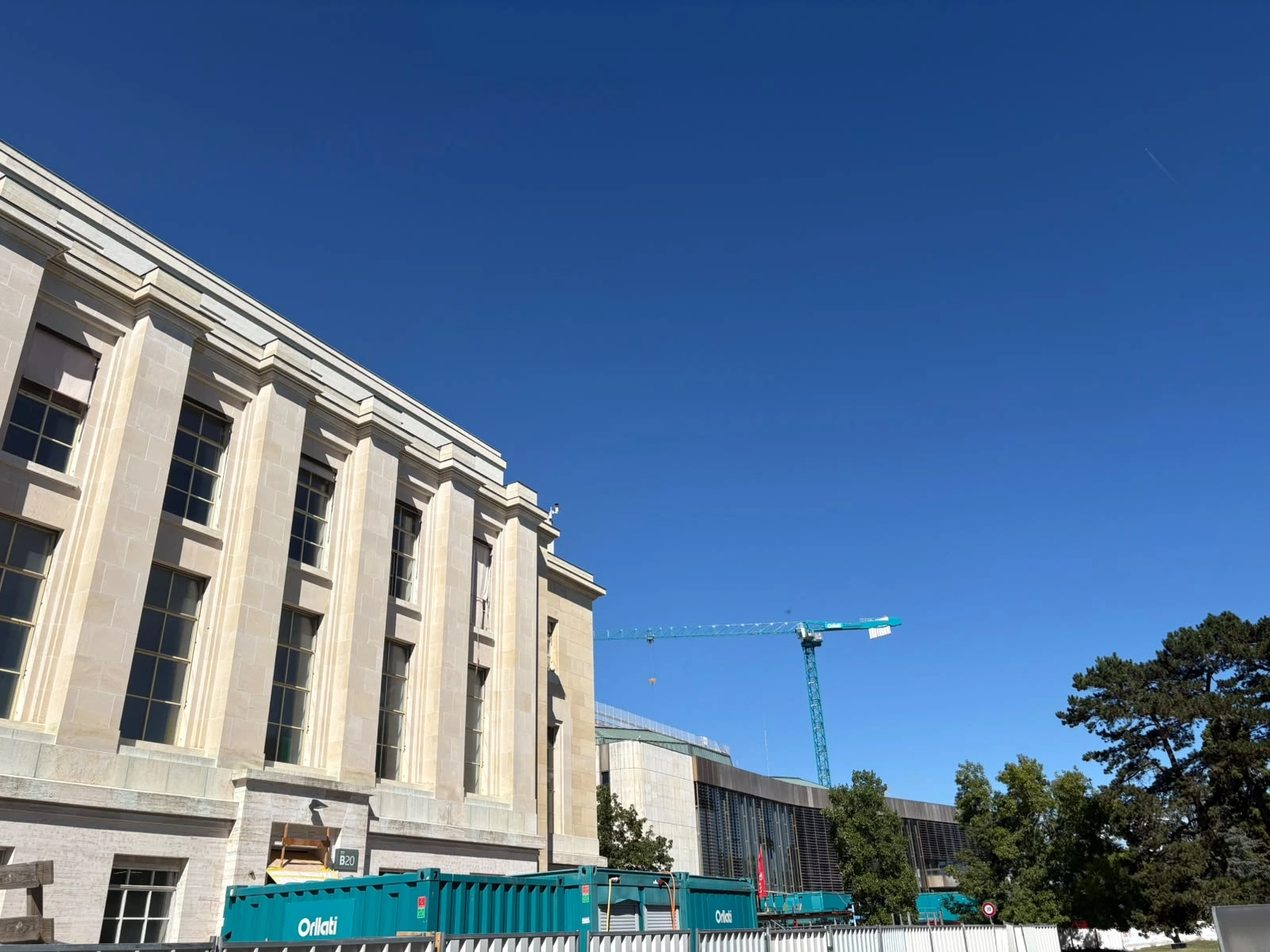
LOGIFIRE is engaged in the installation, testing, and commissioning of a high-pressure water mist system engineered to protect the archival zones and technical rooms of Building B.
This project presented operational and structural complexities far beyond those of a conventional construction site:
- Irreplaceable documentary heritage: period manuscripts, diplomatic records, and unique historical volumes that tolerate zero risk of damage, whether from combustion or improper fire extinguishing agents.
- High-security institutional setting: an international diplomatic facility governed by strict access protocols, stringent technical specifications, and the imperative to maintain uninterrupted daily operations.
- Multi-level architectural layout: an infrastructure spanning multiple stories, where fire protection must cover both utility technical spaces and expansive archival storage areas.
“Some documents cannot be replaced. They can only be protected.”
High-pressure water mist technology for the protection of historical archives
In facilities dedicated to cultural heritage conservation and paper-based archives, selecting a fire suppression technology requires balancing rapid suppression response with the preservation of sensitive physical assets.
In this context, high-pressure water mist systems deliver superior performance compared to traditional sprinkler networks or gaseous total-flooding systems:
- Minimal water application and zero flooding risk: high-pressure atomization fractures water into ultra-fine micro-droplets. Upon contact with the heat source, these droplets evaporate instantaneously, rapidly cooling the enclosure and smothering the flame through localized oxygen displacement. The water volume discharge is a tiny fraction of that delivered by a conventional sprinkler, eliminating flooding hazards and safeguarding paper-based assets.
- Advanced life safety with double-interlock pre-action configuration: to safeguard archival spaces, the piping network features section control valves and compressed air lines configured as a double-interlock pre-action system. This pre-action mechanism prevents accidental water ingress into the piping overhead unless a confirmed fire alarm is validated, completely mitigating the risk of accidental leaks above protected collections.
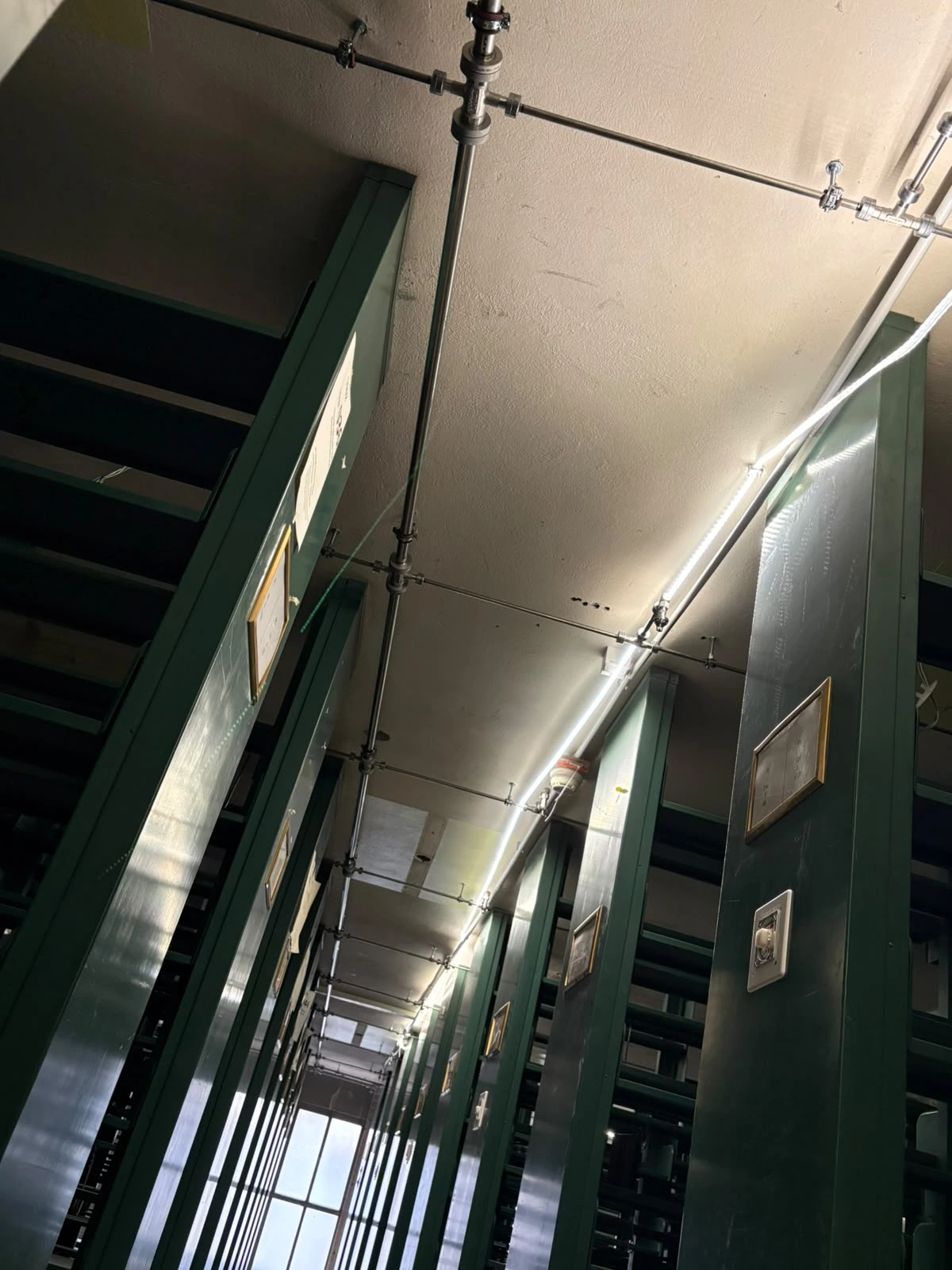
- Spatial integration and volumetric tolerance: water mist systems utilize small-diameter stainless steel tubing, a key advantage when routing through tight spaces without encroaching on high-bay shelving, ventilation ductwork, or lighting fixtures.
- Personnel safety and non-toxicity: operating exclusively with atomized water and compressed air, the system is environmentally sustainable, chemical-free, and inherently safe for technical staff, archivists, and researchers working within the spaces.
High-pressure pumping networks, section control valves, pre-action configurations, power supplies, and compressed air lines must operate as a unified fire protection architecture.
Logifire’s field approach: from performance-based engineering to job-site execution
Engineering complexity primarily emerges when translating design models into field realities. Nozzle placement, spatial interferences, piping routes, and installation conditions were verified directly within the rooms, adapting field solutions while maintaining strict alignment with design performance specs.
As water mist is a performance-based technology, deep expertise in regulatory codes (such as NFPA 750 and EN 14972) and manufacturer system listings is essential to accurately execute what was validated during the design phase.
Operating within the Palais des Nations required continuous coordination among design engineers, site supervision, specialized vendors, and field installation crews.
Logifire stood out through:
- Field clash resolution: in moving from the theoretical model to Building B’s physical spaces, nozzle positions and high-pressure piping runs were surveyed and verified on site. Logifire technicians adapted installation routes to overcome spatial interferences with existing furniture, shelving, and HVAC ductwork without compromising calculated coverage performance.
- Seamless logistical coordination: operating within an international headquarters required rigorous access management, material submittal compliance, and scheduled execution phases to avoid disrupting daily operations.
- A repeatable execution methodology: the installation protocols and technical solutions developed on the building’s lower levels were formalized and rolled out across upper floors, turning initial field challenges into an efficient, repeatable job-site standard.
“Engineering becomes true protection when design intent and site reality perfectly align.”
Participating in a project of this complexity represents a major milestone for the Logifire team: field-proven engineering expertise, international operational capability, and single-source execution responsibility applied to the protection of internationally significant documentary heritage.
“The memory of tomorrow depends on what we know how to protect today”
Technology, field execution, and context awareness are all part of the same commitment.
Are you looking to protect a historical archive, museum, or high-security facility?
Every institutional building presents unique architectural, security, and job-site constraints. Our team are available to support asset owners, General Contractors, and design engineers in delivering high-reliability water mist fire protection systems.
Contact the LOGIFIRE team for a tailored technical consultation